
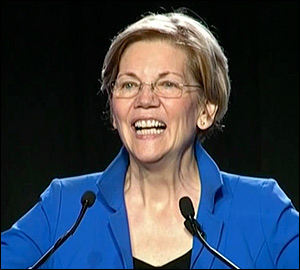
Sen. Elizabeth Warren (D-MA)
Sept. 16, 2019 — The international polling firm YouGov for The Economist magazine just completed a major 86-question survey of 1,500 US adults (Sept. 8-10; online through an opt-in panel), 1,182 of whom are registered voters and found many interesting results. The most unique, however, might be their question asking the self-identified primary or caucus attending Democrats and Democratic-leaning Independents (632) just how many of their party’s presidential candidates they would consider supporting.
The purpose of the question was to test for multiple responses; therefore, most respondents named several candidates. Possibly the most interesting phase of the response process was that only one candidate exceeded 50 percent under this format, and the person receiving the 55 percent consideration factor might not be who you would name with your first guess.
Of the 20 candidates identified in the questionnaire, 10 broke into double digits. This is not particularly surprising when remembering that respondents were encouraged to give more than one candidate they are considering and, in fact, could name as many individuals as they liked.
But the candidate receiving the 55 percent mention factor was not former Vice President Joe Biden. Rather, it was Massachusetts Sen. Elizabeth Warren, and this type of outcome could be quite significant in determining who people might ultimately support. Biden was second but failed to reach a majority even from a respondent pool who could render multiple choices. He posted a 48 percent score.
In third position was Vermont Sen. Bernie Sanders (40 percent), so here again we see these three candidates, Warren, Biden, and Sanders, capturing the top positions by a wide margin.
Sen. Kamala Harris (D-CA) was fourth with 32 percent followed by South Bend Mayor Pete Buttigieg who was named by 27 percent of the sample. Others in double digits were New Jersey Sen. Cory Booker at 18 percent, ex-Rep. Beto O’Rourke recording 14 percent, and former HUD Secretary Julian Castro posting 13 percent, with Minnesota Sen. Amy Klobuchar and New York City businessman Andrew Yang both registering 11 percent under this format.
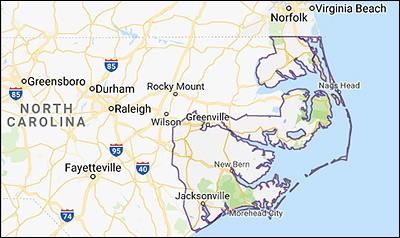
 In the two North Carolina special elections that were decided on Tuesday night, the winning Republican candidates exceeded the published polling projections. The same pattern also occurred in Pennsylvania back in late May when Rep. Fred Keller (R-Middleburg), while predicted to win comfortably, garnered a considerably larger vote percentage than projected when he scored a 68 percent special election victory.
 Looking at the polls’ aggregate totals, it appears the contest is already gelling into a three-way race that could meld into a free-for-all should this particular YouGov polling trend translate into actual results.
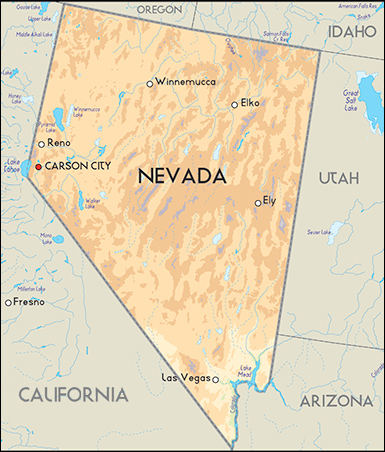 Aug. 22, 2019 — The Nevada Caucus is third on the presidential nomination schedule and it appears the Silver State nomination event will carry more weight than it has in past elections.
  Aug. 21, 2019 — The Pew Research Center conducted a national poll, of which many Democratic presidential primary questions were asked, but one was particularly interesting.

 Aug. 16, 2019 — It appears the Democratic National Committee’s move to increase the presidential debate qualifications in order to decrease the number of participants is working.
 Aug. 15, 2019 — New developments are occurring in 2020 Senate races across the country and several are apparently unofficially set for the general election. Below is a recap: