By Jim Ellis
 Aug. 9, 2019 — With so many seats coming open during the past 10 days, it’s time to review exactly which districts will be incumbent-less for the coming election and how many are truly competitive.
With Rep. John Ratcliffe (R-Heath/Rockwall) withdrawing from his nomination as Director of National Intelligence, it returned Texas’ 4th District to the incumbents’ list, but that move was quickly negated when fellow Texas Rep. Kenny Marchant (R-Coppell/DFW Area) announced his retirement.
Taking those moves into consideration and including the two North Carolina special congressional elections that will be filled on Sept. 10, a total of 16 seats are open headed into the next election. Of the 16, Republicans hold, or last held in the case of the disputed NC-9 result from 2018, all but three of the open seats. Looking at the coming 16 campaigns, all can expect contested primaries in at least one party and seven look to be highly competitive during the general election.
Though the retirement action has been swift of late, the aggregate number of coming vacancies is still very low, especially when remembering that the number of cycle open seats throughout this decade has fallen between 47 and 64, inclusive.
The list below depicts the open House districts and their current status:
AL-1: Rep. Bradley Byrne (R-Mobile)
• Trump ’16: 63-34 | • Romney ’12: 62-37
This southern Alabama seat will be settled in the GOP nomination contest. A run-off after the March 3 primary is likely and will likely feature a two-person combination from the group comprised of former state Sen. Bill Hightower, state Rep. Chris Pringle (R-Mobile), Mobile County Commissioner Jerry Carl, and businessman Wes Lambert. The eventual GOP nominee wins the seat in the November 2020 election.
Safe Republican
AL-2: Rep. Martha Roby (R-Montgomery)
• Trump ’16: 65-33 | • Romney ’12: 63-36
Rep. Roby was one of the surprise retirement announcements, but her leaving the seat open for the next election doesn’t cause the Republicans any harm. Expect a crowded Republican primary and a two-person run-off to ensue. The eventual Republican nominee wins the seat. So far, state Rep. Will Dismukes (R-Prattville) and former state Rep. Barry Moore are the most prominent candidates.
Safe Republican
 June 12, 2019 — Since the last national redistricting completed in 2011 for the 2012 election cycle, we have seen 222 US House seats come open, for a mean average of 55.5 per cycle during the eight-year period. Prior to this decade, the average House open seat factor was typically closer to 35.
  By Jim Ellis
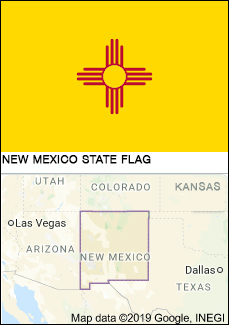 March 29, 2019 — Sen. Tom Udall (D) surprised the political world on Monday when he released a video announcing that the will retire when this session of Congress adjourns instead of running for a third term. Though he appeared to be a lock for re-election, the 70-year-old senator said it was time for him to look for other political avenues from which to contribute.