
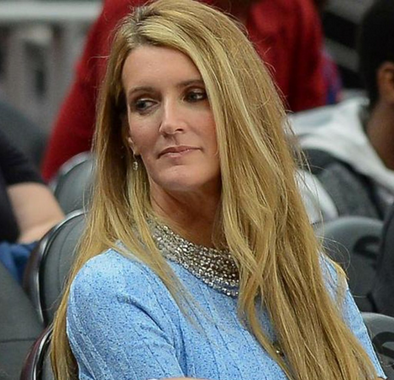
Georgia Gov. Brian Kemp appointed businesswoman Kelly Loeffler to the U.S. Senate to succeed retiring Sen. Johnny Isakson, who is leaving office at the end of the year due to health issues.
Dec. 6, 2019 — As expected, Georgia Gov. Brian Kemp (R) announced that businesswoman Kelly Loeffler is his choice to succeed Sen. Johnny Isakson (R) when Isakson resigns at the end of the year due to health problems.
Also, in Washington state, four-term Rep. Denny Heck (D-Olympia) announced that he will not seek re-election. In a released statement, while criticizing President Trump, Heck indicated that the ongoing investigations of which he has been a part as a member of the House Intelligence Committee, has caused him to become weary.
Georgia Senate
Loeffler’s pick is somewhat controversial among Republicans since President Trump and many state conservative leaders were publicly backing Rep. Doug Collins (R-Gainesville) for the seat. Additionally, the congressman has hinted in media interviews that running against the appointed senator in the 2020 special election to fill the balance of the term is not out of the realm of possibility.
Conservatives are expressing doubt about Loeffler, citing her past donations to certain Democratic candidates, support for Planned Parenthood, and weakness, from their perspective, on other social issues. For her part, Loeffler is pledging full support to passing the Trump agenda and voting to approve additional federal judges and Trump Administration appointments.
Loeffler will serve throughout 2020 and be eligible to compete in the special election to serve the final two years of Sen. Isakson’s term. The governor has scheduled a jungle primary to run concurrently with the 2020 general election. If no candidate receives majority support on Nov. 3, then the top two finishers will advance to a run-off election on Jan. 5. Should the general election go badly for Senate Republicans, it’s possible that the Georgia run-off could determine majority control.


 Nov. 21, 2019 — As the 10 Democratic presidential candidates again took the debate stage last night, this time from Atlanta, they all needed recognize a few things: They needed to walk a fine line. The contenders needed to carefully navigate between appealing to their party’s ideological base, which is key to winning the nomination, and preparing for the general election where a more centrist approach appears to be the probable course toward achieving national victory.

 Nov. 12, 2019 — The Cook Political Report in conjunction with the Henry J. Kaiser Foundation of San Francisco sponsored a four-state survey, called the “Blue Wall Voices Project,” covering key Great Lakes states to determine Democratic presidential primary standing within the region among other issues.

 Oct. 31, 2019 — With six US House seats coming open in October, it’s a good time to re-set where the incumbent-less districts stand for the next election.