By Jim Ellis
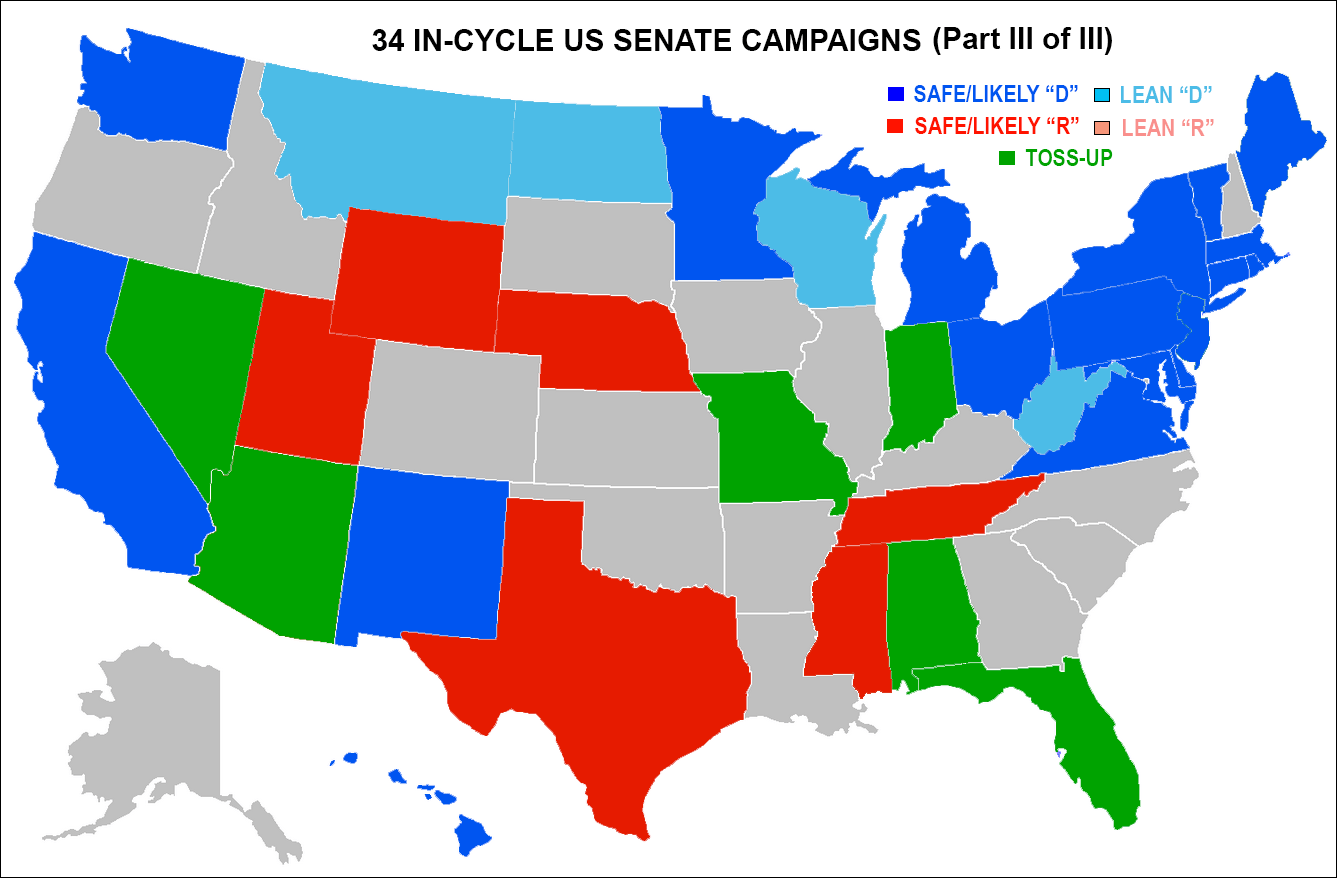
Jan. 18, 2018 — We continue with our two-part series reviewing the announced candidate status in each state. Yesterday, Minnesota former Gov. Tim Pawlenty (R) announced that he would not enter the special election against appointed Sen. Tina Smith (D). Therefore, the second Minnesota seat will be re-stated:
Minnesota: Appointed Sen. Tina Smith (D) – seeking election
Candidate Filing Deadline: June 5, 2018
State Primary: Aug. 14, 2018
• Karin Housley (R) – State Senator; Attorney
• Tom Emmer (R) – US Representative; 6th District; 2010 Governor nominee – possible candidate
• Michele Bachmann (R) – Former congresswoman; former presidential candidate – possible candidate
New Jersey: Sen. Bob Menendez (D) – seeking re-election
Candidate Filing Deadline: April 2, 2018
State Primary: June 5, 2018
• Bob Hugin (R) – Pharmaceutical company CEO – possible candidate
2 Minor Democratic candidates
2 Minor Republican candidates
1 Independent candidate
New Mexico: Sen. Martin Heinrich (D) – seeking re-election
Candidate Filing Deadline: Feb. 6, 2018
State Primary: June 5, 2018
• Mick Rich (R) – State Labor Commissioner
New York: Sen. Kirsten Gillibrand (D) – seeking re-election
Candidate Filing Process Ends: April 19, 2018
State Primary: June 26, 2018
1 Minor Democratic candidates
3 Minor Republican candidates
North Dakota: Sen. Heidi Heitkamp (D) – seeking re-election
Candidate Filing Deadline: April 9, 2018
State Primary: June 12, 2018
• Tom Campbell (R) – State Senator; agri-business owner
• Rick Berg (R) – Former at-large US Representative
• Gary Emineth (R) – Former ND Republican Party chairman
Ohio: Sen. Sherrod Brown (D) – seeking re-election
Candidate Filing Deadline: Feb. 7, 2018
State Primary: May 8, 2018
Michael Gibbons (R) – Venture capitalist
• Jim Renacci (R) – US Representative; 16th District
• Jim Tressel (R) – Youngstown State U President; former football coach, Ohio State University – possible candidate
• J.D. Vance (R) – Venture capitalist; author – possible candidate
Pennsylvania: Sen. Bob Casey Jr. (D) – seeking re-election
Candidate Filing Deadline: March 6, 2018
State Primary: May 15, 2018
• Paul Addis (R) – Energy company executive
• Cynthia Ayers (R) – Former National Security Agency staff member
• Lou Barletta (R) – US Representative; 11th District
• Jim Christiana (R) – State Representative
3 Minor Democratic candidates
3 Minor Republican candidates
1 Independent candidate
Rhode Island: Sen. Sheldon Whitehouse (D) – seeking re-election
Candidate Filing Deadline: June 27, 2018
State Primary: Sept. 12, 2018
• Bob Flanders (R) – Former state Supreme Court justice
• Bobby Nardolillo (R) – State representative
1 Independent candidate
Tennessee: Sen. Bob Corker (R) – Retiring – Open Seat
Candidate Filing Deadline: April 5, 2018
State Primary: Aug. 2, 2018
• Marsha Blackburn (R) – US Representative; 7th District
• Stephen Fincher (R) – Former US Representative; 8th District
• Phil Bredesen (D) – Former governor; former Nashville mayor
4 Minor Republican candidates
1 Minor Democratic candidate
Texas: Sen. Ted Cruz (R) – seeking re-election
Candidate Filing Deadline: Completed December 11, 2018
State Primary: March 6, 2018
Run-off Election: May 22, 2018
• Beto O’Rourke (D) – US Representative; 16th District
• Bruce Jacobson (R) – Evangelical Cable TV executive
2 Minor Democratic candidates
3 Minor Republican candidates
5 Libertarian candidates
Utah: Sen. Orrin Hatch (R) – Retiring – Open Seat
Candidate Filing Deadline: March 15, 2018
State Primary: June 26, 2018
• Dan McCay (R) – State representative – possible candidate
• Evan McMullin (R) – Former Independent presidential candidate – possible candidate
• Mitt Romney (R) – Former GOP presidential nominee; ex-MA governor – possible candidate
• Chris Stewart (R) – US Representative; 2nd District – possible candidate
• Jenny Wilson (D) – Salt Lake County councilwoman
1 Minor Republican candidate
2 Minor Democratic candidates
1 Libertarian candidate
Virginia: Sen. Tim Kaine (D) – seeking re-election
Candidate Filing Deadline: March 29, 2018
State Primary: June 12, 2018
• Nick Freitas (D) – State Delegate
• E.W. Jackson Sr. (R) – Minister; former lieutenant governor nominee
• Corey Stewart (R) – Pince William Co Bd Chairman; 2017 Governor candidate
• Jim Gilmore (R) – Former governor; ex-Senate & presidential candidate – possible candidate
1 Minor Republican candidate
Vermont: Sen. Bernie Sanders (I/D) – seeking re-election
Candidate Filing Deadline: May 31, 2018
State Primary: Aug. 14, 2018
1 Minor Democratic Candidate
1 Independent Candidate
Washington: Sen. Maria Cantwell (D) – seeking re-election
Candidate Filing Deadline: May 18, 2018
State Primary: Aug. 7, 2018
1 Minor Democratic candidate
1 Libertarian candidate
3 Independent candidates
West Virginia: Sen. Joe Manchin (D) – seeking re-election
Candidate Filing Deadline: Jan. 27, 2018
State Primary: May 8, 2018
• Don Blankenship (R) – Former coal company CEO; convicted felon
• Evan Jenkins (R) – US Representative; 3rd District
• Patrick Morrisey (R) – Attorney General
• Paula Jean Swearingen (D) – Environmental activist
6 Minor Republican candidates
2 Minor Democratic candidates
Wisconsin: Sen. Tammy Baldwin (D) – seeking election
Candidate Filing Deadline: June 1, 2018
State Primary: Aug. 14, 2018
• Kevin Nicholson (R) – Businessman
• Leah Vukmir (R) – State Senator
• Eric Hovde (R) – Venture capitalist; 2012 Senate candidate – possible candidate
4 Minor Republican candidates
1 Constitution Party candidate
1 Veterans Party candidate
1 Independent candidate
Wyoming: Sen. John Barrasso (R) – seeking re-election
Candidate Filing Deadline: June 1, 2018
State Primary: Aug. 21, 2018
• Gary Trauner (D) – Former Teton County School Board Chair; ex-congressional nominee (2006; ’08)
• Foster Freiss (R) – Mutual Fund founder; GOP donor – possible candidate
• Erik Prince (R) – Security firm founder – possible candidate
Major Sources:
• Politics1.com political blog
• Ballotpedia.com website
• State Elections offices

 Oct. 31, 2018 — Now more than halfway through the early voting period in the 37 states that offer early voting options for the populace, some places are turning in record participation rates. Each state has various nuances in their early voting procedures, so comparing the early reports to each other is of little value. Going back to contrast the current 2018 reported numbers with how that particular state voted in the last midterm election (2014) does have significance, however.