
By Jim Ellis
 Nov. 22, 2019 — As we approach the end of this year, two states have already held their 2020 candidate filings and six more will do so in December. This sets the stage for eight statewide primaries in March, four from large states. Mississippi, with a March 10 primary, set its filing deadline for Jan. 10.
In total, and in addition to the presidential campaign, filings during this period in these states have occurred or will occur for six Senate races and 151 US House districts. All five Super Tuesday primary states will host US Senate contests and hold an aggregate of 113 congressional districts.
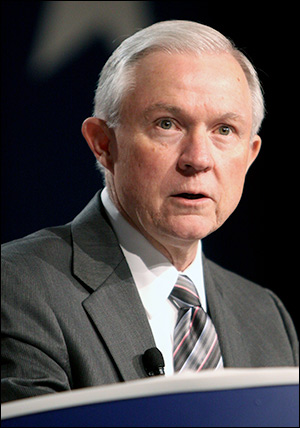
Alabama and Arkansas have already filed, and the major stories coming from these places as already covered were former US Attorney General and senator, Jeff Sessions, again declaring for his former position and the lone Democrat challenging Arkansas Sen. Tom Cotton (R) dropping out of the race just two hours after he had filed. In the pair of states, two House incumbents, Alabama Rep. Terri Sewell (D-Birmingham) and Arkansas Rep. Rick Crawford (R-Jonesboro), are totally unopposed in their 2020 campaigns.
The other states heading for December candidate filing deadlines are Illinois on Dec. 2; California, Dec. 6; Texas, Dec. 9; and Ohio, Dec. 11. North Carolina is currently scheduled for Dec. 20, but it is conceivable that the pending redistricting lawsuits could potentially postpone the state primary and thus the qualifying candidate deadline.
The five Super Tuesday (March 3) primary states are: Alabama, Arkansas, California, North Carolina, and Texas.
Alabama has the first Senate primary and that will likely determine which two of the six major Republican candidates move into an April 14 run-off election. Currently, polling suggests that former Sen. Sessions and Auburn University retired head football coach Tommy Tuberville would advance to a run-off. Secretary of State John Merrill, US Rep. Bradley Byrne (R-Mobile), and former state Supreme Court Chief Judge and 2017 US Senate special election nominee Roy Moore round out the group of main competitors. The eventual nominee will face Sen. Doug Jones (D) in the November campaign.
Two open seat congressional races, both in South Alabama, will almost assuredly go to run-offs, though the eventual Republican nominee in the respective districts will be heavily favored to replace Reps. Byrne and Martha Roby (R-Montgomery), who is retiring.
The March 3 primary is relatively inconsequential in Arkansas since it appears the general election is relatively set. Since the Democrats have no candidate in the Senate race, the party structure will meet to nominate a consensus candidate for a ballot slot in the general election.

 Aug. 15, 2019 — New developments are occurring in 2020 Senate races across the country and several are apparently unofficially set for the general election. Below is a recap:

