Category Archives: House

Georgia Rep. Scott Passes Away;
Virginia Redistricting Overturned

By Jim Ellis — Thursday, April 23, 2026

GA-13

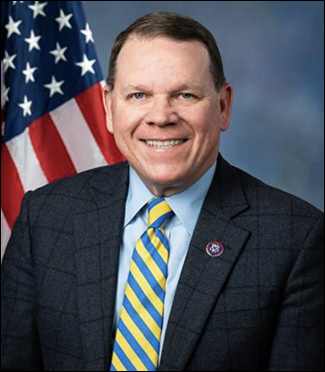
Georgia Congressman David Scott (D-Atlanta)

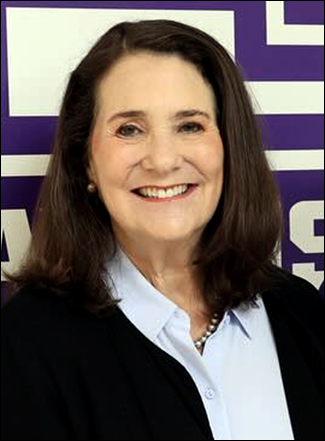
Veteran Georgia Congressman David Scott (D-Atlanta) passed away yesterday, making him the fifth House member to die during this Congress. Rep. Scott was first elected to the House from his Atlanta metro district in 2002. During his 24 years of service, he rose to chair the House Agriculture Committee.

The Congressman had faced health challenges for several years, and some observers speculated he might not seek re‑election in 2024. He ultimately did file for another term but passed away before Georgia’s May 19 primary. Because the deadline to remove candidates from the ballot has already passed, his name will remain in place.

Before his election to Congress, Scott served in both the Georgia House of Representatives and state Senate. In total, he held elective office for 52 consecutive years.

Despite Scott’s decision to run again, six Democrats qualified for the primary: state Sen. Emanuel Jones (D‑Decatur), state Rep. Jasmine Clark (D‑Lilburn), former Gwinnett County School Board chairman Everton Blair, dentist Heavenly Kimes, and two lesser‑known candidates.

Rep. Scott’s death now requires Gov. Brian Kemp (R) to schedule a special election to fill the remainder of the current term.

Assuming Georgia election law permits it based on required notice and providing adequate campaign time, the Governor would likely align the special election with the June 16 runoff elections. If no candidate secures a majority, the top two finishers would advance to a special runoff, which must occur within 28 days under state law. This process will determine who serves the final months of Scott’s term.

Rep. Scott’s passing comes one day after Florida Congresswoman Sheila Cherfilus‑McCormick (D‑Miramar) resigned following a federal indictment and House ethics violations. As a result, the number of open seats heading into the next election has risen to 63.

Of these 63 open seats, 37 are held by Republicans, 21 by Democrats, and five are newly created through redistricting in California, Texas, and Utah.

Among the departing members, 27 are running for other offices (Senate, Governor, or Attorney General), 27 are retiring from elective politics, five seats are open due to redistricting, three members have resigned, two have died — Reps. Scott and Doug LaMalfa (R‑CA) — and incumbent Rep. Dan Crenshaw (R‑TX) lost in the March primary. Two retiring members, Reps. Lloyd Doggett (D‑TX) and Burgess Owens (R‑UT), were paired in redrawn districts, so their departures do not create open seats.

The House now has five vacancies: two due to death (Reps. Scott and LaMalfa) and three to recent resignations (former Reps. Eric Swalwell (D‑CA), Tony Gonzales (R‑TX), and Ms. Cherfilus‑McCormick).

Virginia

A day after the people voted 51-49 percent to approve the new Virginia redistricting map, the same judge who initially invalidated the special referendum process, because he ruled that the legislature broke its own internal rules to shorten the process of posting the special statewide vote, issued a new opinion stating that how this particular referendum procedure was administered is unconstitutional.

The judge’s initial ruling is on appeal before the state Supreme Court which has still not issued a decision even though the justices allowed the vote to proceed. Attorney General Jay Jones (D) says he will also appeal the circuit court’s ruling pertaining to the constitutionality of the referendum’s administration.

It is difficult to see a majority Democratic state Supreme Court overturning a vote of the people that favored the Democrats. The fact that the high court allowed the referendum vote to take place is likely an indication that the election result will stand.

Virginia Redistricting: Yes Vote Wins; Mississippi’s Hyde-Smith’s Tight Race

By Jim Ellis — Wednesday, April 22, 2026

Virginia

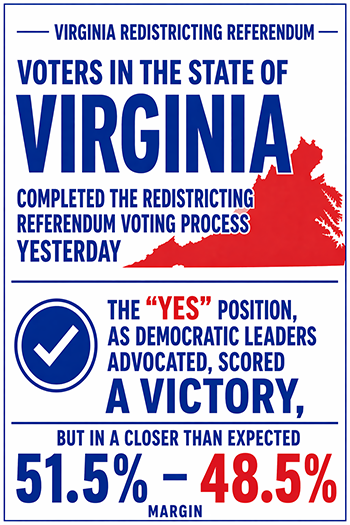
Old Dominion voters completed the redistricting referendum voting process yesterday and the “yes” position, as Democratic leaders advocated, scored a victory, but in a closer than expected 51.5 – 48.5 percent margin.

The outcome must be viewed as a Republican leadership strategic misplay. With Democrats dominating the airwaves and using a partisanship strategy, the early spending showed they had an 11:1 advantage.

Republicans countered to an extent, but their effort proved too little, too late. The closeness of the outcome suggests that a better GOP campaign might have delivered a close win.

The referendum result means the state’s congressional map is expected to shift dramatically from the current 6D–5R alignment to a projected 10D–1R configuration. The new map will take effect unless the Virginia Supreme Court, which allowed the referendum to proceed, upholds the lower court ruling that declared the legislature violated its own rules and state electoral procedure in placing the measure on the ballot. Now that the voters have spoken, it becomes even more unlikely that the high court will overturn the referendum that they allowed.

Therefore, we can expect to see Reps. Rob Wittman (R-Montross), Jen Kiggans (R-Virginia Beach), and John McGuire (R-Manakin-Sabot) all become general election underdogs.

The one remaining Republican seat is in southwestern Virginia. It is possible that Reps. Ben Cline (R-Botetourt) and Morgan Griffith (R-Salem) will be paired in a Republican primary. Rep. Cline could also choose to face a Democrat in an adjoining district where he would also be a general election underdog.

Earlier in the year as a result of placing the referendum on the ballot, the Virginia candidate filing deadline was moved to May 26 and the state primary to Aug. 4. Therefore, it remains to be seen what decisions the affected members make regarding where, or if, they will seek re-election.

Mississippi

A newly released April survey from Impact Research suggests that Sen. Cindy Hyde-Smith (R) may be heading into a more competitive re-election environment than expected.

The survey, conducted for the Southern Poverty Law Center Action Fund (April 8-12; 500 likely Mississippi general election voters; live interview & text), sees Sen. Hyde-Smith leading Lowndes County District Attorney Scott Colom, who won the Democratic nomination in March, by a narrow 42-39 percent margin.

Perhaps the most concerning data point for the Senator is her favorability rating. While President Trump scores a personal favorability index of 55:43 within this polling universe, Sen. Hyde-Smith scores a poor 35:55, with a “very unfavorable” data point of 42. Gov. Tate Reeves (R) is also in negative territory with a 43:52 index, but his standing is obviously not as challenging as those reported for the Senator.

The result is surprising since the Senator fared well in the March Republican primary, scoring 81 percent of the GOP vote and obviously winning the nomination outright. In her two general election victories, one a special vote conducted after she was appointed to replace resigned Sen. Thad Cochran (R) in 2018, she averaged a 53.8 victory percentage.

For Democrats to put the Senate majority in play this cycle, they must broaden the competitive map. Should polling like this continue, national Democratic leaders and outside groups who support liberal candidates may begin directing significant resources toward Mississippi.

According to the Q1 Federal Election Commission campaign financial disclosure reports, Colom only has raised $1.6 million and held just under $560,000 in his campaign account, far under the dollar quantity he will need to run an effective statewide campaign.

Conversely, Sen. Hyde-Smith posted just over $5 million raised with a cash-on-hand figure of $2.46 million. Expect these financial numbers for both candidates to grow exponentially.

It is likely that a Republican-aligned poll will soon be released presenting more favorable numbers for Sen. Hyde-Smith. If such polling does not emerge, it may indicate that her internal data aligns with the Impact Research findings.

There is always an unexpected Senate race that comes to the forefront in the general election. We will soon see if Mississippi hosts the 2026 surprise campaign.

Two Resignations; NJ-11

By Jim Ellis — Wednesday, April 15, 2026

Resignations

California US Rep. Eric Swalwell (D-Livermore/East San Francisco Bay Area) / Facebook photo

Monday, amid sexual assault and harassment allegations, California US Rep. Eric Swalwell (D-Livermore/East San Francisco Bay Area) announced that he will be resigning his congressional seat. After withdrawing from the Governor’s race the day before and not eligible to seek re-election because the California candidate filing deadline has long since passed, Swalwell’s political career is likely over.

Hours later on Monday, US Rep. Tony Gonzales (R-TX), who was involved in an extramarital affair with a staff member who then committed suicide, also said he will resign his Texas congressional seat. Two other members, both from Florida, Reps. Sheila Cherfilus-McCormick (D) and Cory Mills (R), are also under ethical clouds.

Rep. Cherfilus-McCormick is already under federal indictment for stealing and misusing COVID and government administrative funds, and the House Ethics Committee found her guilty of 25 related ethical violations. Rep. Mills has been accused of similar sexual misconduct as Swalwell though to a lesser degree.

Very likely, the bipartisan move forming in the House to expel the four, two Democrats and two Republicans, was gaining fast support, which undoubtedly led to the quick Swalwell and Gonzales decisions to leave voluntarily rather than experience the humiliation of expulsion.

With the two resignations, it is unclear at this point whether the move to expel the others will continue. What we do know is we will see two more vacant seats in the House.

The New Jersey vacancy was filled Tuesday night, while the California 1st District seat of the late Doug LaMalfa (R) will go to the ballot on June 2. If no candidate receives majority support, a runoff election will occur on August 4th.

Gov. Gavin Newsom (D) will set the special election calendar for District 14 to replace Swalwell for the balance of the term. Under California special election law and depending upon the exact date when the seat comes open, Gov. Newsom could schedule the 14th District special concurrently with the 1st District election calendar.

In Texas, Gov. Greg Abbott (R) has wide latitude in terms of scheduling special elections. With the Republicans being down another seat, Abbott will be under national GOP pressure to schedule the Gonzales replacement special quickly. Again, depending upon the exact day that Gonzales resigns, Gov. Abbott may be able to schedule the 23rd District special election vote concurrently with the May 26 runoff election date.

Under Texas special election procedure, if a candidate receives majority support in the first election, the individual is elected outright. If no one reaches the majority plateau, the Governor will then schedule the runoff election when it becomes official that such an election is necessary.

Republicans already have a 23rd District general election nominee in the person of businessman Brandon Herrera, so it is likely the party leaders will line up to support him in the special election and attempt to dissuade any major contender from running. Doing so would give Herrera the clearest opportunity to win outright.

It remains to be seen if the other two members face an expulsion vote. Since both are from Florida, Gov. Ron DeSantis (R) would determine the special election calendar if one or both seats become vacant. The regular Florida primary is Aug. 18, so this would be the most likely day for a special election vote. It is also possible that he could schedule any necessary runoff concurrently with the general election.

In conclusion, the resignations and possible resignations or expulsions will once again change the size of the House chamber. Because the partisan breakdown is even between the two parties, the latest vacancies are less cumbersome because combined they bring neither party an overt advantage.

NJ-11

Northern New Jersey voters went to the polls yesterday to fill the state’s 11th Congressional District seat; Democratic Socialist and former Sen. Bernie Sanders’ staff member Analilia Mejia won the seat. Her GOP opponent was Joe Hathaway, the Mayor of Randolph Township.

The 11th District that stretches from the northern Newark suburbs and through Morristown is reliably Democratic, and Republicans are not making a concerted effort to compete here. Therefore, last night’s election result was virtually a foregone conclusion.

After the election, the House open seat count drops to 61. With the Swalwell and Gonzales resignations, the open number will not change because neither were running for re-election and were included in the aggregate figure.

KY-4: Massie Leading

By Jim Ellis — Monday, April 13, 2026

US House

Congressman Thomas Massie (R-KY)

It is no secret that Kentucky Rep. Thomas Massie (R-Garrison/ Covington) is President Trump’s top adversary among House Republicans and an officeholder Trump has marked for defeat.

Unseating Rep. Massie, however, is a significant challenge. In his seven US House races, the Congressman has averaged 70.8 percent of the general election vote, and 77.4 percent in the three Republican primaries he has faced since his initial victory in 2012.

The President frequently tweets about Rep. Massie, lambasting him for typically voting with the Democrats on serious budget issues irrespective of the Congressman’s reasoning in using his vote to voice objection to the burgeoning federal budget and its huge deficit.

Massie, along with Rep. Ro Khanna (D-CA), also led the successful discharge petition effort for a vote to release the Epstein files. This act also angered Trump and the GOP leadership, but as Rep. Massie reminded the public, the President during the 2024 campaign agreed to release all of the Epstein related files after the election.

The Trump forces have recruited a Republican primary opponent for Massie after the President publicly called for such a candidate to come forward. Therefore, Trump and his political operatives are attempting to “have their cake and eat it, too,” in striving to unseat Massie while keeping the Blue Grass State’s 4th Congressional District in the Republican column.

The Trump-backed candidate is retired Navy SEAL Ed Gallrein, whose previous venture into elective politics was an unsuccessful 2024 bid for a Kentucky state Senate seat. A recently released survey indicates that the task of defeating the seven-term incumbent who served as the Lewis County Judge-Executive before winning his congressional post still contains a high difficulty factor regardless of what effect comes from the Trump attacks.

Quantus Insights released the results of its new poll testing Rep. Massie’s bid for renomination. According to the QI survey (April 6-7; 438 likely KY-4 Republican primary voters; live interview), the incumbent would lead Gallrein by a 47-38 percent clip as the candidates move toward the May 19 Kentucky Republican primary election.

In terms of the personal favorability question, the GOP electorate splits with 51 percent responding they have a positive opinion of the Congressman while 46 percent expressed an unfavorable opinion. Even though he is less well known, Gallrein still posts a lesser positive response than the Congressman. The Gallrein favorability index was only 40:38 positive to negative within the Republican sampling universe.

Gallrein does get a boost from possessing the Trump endorsement, however. Here, we see 38 percent saying they are much more or somewhat more likely to vote for a candidate who the President endorses while 26 percent said they are much less or somewhat less likely to support the Trump-endorsed candidate.

The Quantus poll also tested for voting propensity. The pollsters divided the Republican electorate into segments of respondents who voted in the last four consecutive elections, the last three, the last two, the last one, and none of the previous elections.

In this instance, Gallrein tends to benefit because those voters casting ballots in the last four consecutive elections favor him by a 45-35 percent margin. Rep. Massie performs better with each of the other voting groups, and exceeds majority support within two segments, but the individuals’ vote propensity ranges from participating in most elections to not voting at all.

We can expect a very active final five weeks of the campaign cycle with the challenger needing to make bold moves to overtake the Congressman. While the President is “all-in” trying to defeat Rep. Massie, this poll and the incumbent’s strong voter history performance suggests that the Congressman still maintains significant strength within the district’s Republican voting base and remains the current favorite for renomination.

GA-14 Runoff: Republican Fuller Wins

By Jim Ellis — Wednesday, April 8, 2026

GA-14

Local District Attorney and Air National Guard officer Clayton Fuller (R) / Facebook photo

Republicans scored a special election victory in Georgia last night as local District Attorney and Air National Guard officer Clayton Fuller (R) defeated retired Army Brigadier General Shawn Harris (D) with a 56-44 percent victory margin.

The Fuller win was expected since Georgia’s 14th Congressional District is the Republican’s safest Peach State seat, but the victory margin was weaker than what we have typically seen from this region.

There are two principal reasons for the lower GOP vote spread. First, the 2024 redrawn District 14 is not quite as solid as the seat to which resigned Rep. Marjorie Taylor Greene (R) was initially elected and, second, the latest available Federal Election Commission financial disclosure reports (pre-election March 18 filing) reveal that Gen. Harris outspent Fuller by a margin of almost 6:1, translating into a $6 million-plus effort for the Democratic candidate.

Georgia’s 14th District covers 10 counties (nine full, and just under 18 percent of Cobb County) in the northwest corner of the Peach State, bordering Tennessee on the north and Alabama to the west. Fuller carried nine of the 10 counties, but lost Cobb County by a significant margin. In order to maximize GOP strength in other districts, the 2024 redistricting map added Democrats from Cobb County to the already Republican-rich 14th, which helped pull Gen. Harris closer.

With the most recent map adding Democrats to the district, expect Rep-Elect Fuller’s future margins to be strong, but not as overwhelming as the previous voter history indicates.

The runoff produced a projected 131,000-plus voters, which is about average for a special general election. In comparison, turnout in the 2024 congressional election during the most recent presidential election featured 378,205 voters. In the 2022 midterm, 258,351 voters participated, or about 32 percent under the presidential election turnout.

The filling of the Georgia US House seat means the open-seat number for the next election recedes to 61. On April 16, New Jersey’s 11th District will be filled in that state’s commensurate special general election thus reducing the open seat count to 60 and bringing the full House to 434 members. The final special election could end on either June 2 or Aug. 4 in California, as voters will choose a replacement for the late Rep. Doug LaMalfa (R).

The Golden State uses a jungle special election format. If a candidate receives majority support in the first election, the individual is elected outright. If not, the top two finishers advance to a special general election.

The New Jersey election is expected to next week produce a Democratic win for former congressional staff member Analilia Mejia. She will replace Gov. Mikie Sherrill (D), who resigned the congressional seat after winning the statewide election in late 2025.

The California special election is largely a battle between former state Senate President Mike McGuire (D-Sonoma County) and state Assemblyman James Gallagher (R-Yuba City), though Democrat Audrey Denney is also on the ballot. The winner will have a short tenure in the House and be simultaneously cast into a general election for a vastly different 1st District under the new California redistricting map.

In actuality, the Golden State candidates will be running in two districts on the same day. One election will be to fill the current term in the previous 1st District, while the other is the regular jungle primary in the new 1st CD.

Virginia’s Twisted Campaign

By Jim Ellis — Tuesday, April 7, 2026

Redistricting

One of the most bizarre campaigns in recent memory is currently unfolding in the Old Dominion. On April 21, Virginians will cast final votes on a congressional redistricting referendum that will change the state’s 6D-5R map into a 10D-1R plan under the guise of “fairness.”

At this point, the Virginia referendum campaign is one of the most disingenuous ever because all sides, including the official Department of Elections, are part of the chaos.

The old saying, “you can’t tell the players without a scorecard,” seems to be applicable here, but even with a political scorecard a voter would be confused.

Let’s begin with the official state approved ballot language, as follows:

“Should the Constitution of Virginia be amended to allow the General Assembly to temporarily adopt new congressional districts to restore fairness in the upcoming elections, while ensuring Virginia’s standard redistricting process resumes for all future redistricting after the 2030 census?”

Restore fairness? The current map is 6D-5R in a state that voted 51.8 – 46.0% for Kamala Harris and, while electing a Democratic Governor in 2025, supported a Republican Governor in the previous election. Yet, the new map would give the Democrats 91 percent of the congressional seats.

The Virginia Supreme Court justices have also been less than forthcoming. They are saying they are still in the process of hearing whether the redistricting process can proceed because a lower court ruling said it cannot; that’s because the legislature itself violated its own rules in passing the referendum legislation, and the justices are allowing the statewide vote to take place. So, if the people vote for the referendum to redraw the districts, is the court going to reject their preference? Simply, no.

The Democratic campaign has been overwhelming so far, dominating the airwaves largely with ads from former President Barack Obama and Gov. Abigail Spanberger talking heroically about how they are “restoring a level playing field” with their 10D-1R map. This, after being on record time after time opposing gerrymandering when it cuts against their own party.

Perhaps the biggest stretch, however, is the Democratic campaign directly tying the abortion issue to passing the redistricting map, saying that “President Trump and the MAGA extremists” are planning to pass a national law to ban abortion. There is no evidence of such and passing this type of bill at least through the Senate is a realistic impossibility under the current filibuster rules. The ad verbiage also presumes the GOP has a majority to pass such a measure, which is also improbable.

The Republican response, which has so far been shockingly minimal despite understanding that the new Virginia map would put the Democrats in a much stronger position to capture the House majority, is also getting into the sleight of hand act.

The Virginians for Fair Maps organization are mailing post cards telling voters to join President Obama and Gov. Spanberger in opposing gerrymandering. They use previous public comments from the two when redistricting in Virginia and other places did not favor Democrats. Then the mailers tell voters to join Obama and Spanberger in opposing gerrymandering by voting “No” in the special referendum election.

One Republican advantage, even with their lackluster campaign, is that the “No” position is typically an easier argument to make in ballot proposition campaign strategy, and the Virginians for Fair Maps organization is using that edge to confuse voters with their Obama/Spanberger gerrymandering boomerang.

The Republicans’ early minimal response to what could be a devastating result for them is even more surprising when looking at the preference data. The Washington Post and the Schar School of Policy and Government at George Mason University just released a new statewide poll (March 26-31; 1,101 registered Virginia voters) finding the referendum passing, but with only a 52-47 percent margin within their response segment of likely voters.

Early voting is already underway. So far, according to the Virginia Public Access Project statistics, 646,493 ballots have been cast for an average turnout in the localities (in Virginia, residents are either in a city or a county but not both) of 11.9 percent. In the 2024 presidential election, as a point of comparison, 4.5 million individuals voted.

Though the campaign has been universally disingenuous to a very high degree, the referendum will likely pass, particularly if the Republican leadership continues to run their minimal response effort. Still, political prime time for this April 21 election is just beginning, so seeing the GOP launch a major ending media blitz remains a possibility.

House Members: 1 for 5

By Jim Ellis — Friday, April 3, 2026

US HOUSE
Of the current 62 open US House seats, 28 of the members are running for a different office, and the combined results of their statewide pursuits are so far underwhelming.

In the five 2026 election cycle contests recorded to date, only one House member, New Jersey Rep. Mikie Sherrill (D), successfully attained her statewide goal. In November of 2025, Sherrill was elected Governor of New Jersey.

Four others lost early primaries and a fifth, Rep. Chip Roy running for Texas Attorney General, advanced to a runoff election after placing second in the March 3 GOP primary. The other four losing statewide primary candidates are Illinois Reps. Robin Kelly and Raja Krishnamoorthi, and Texas Reps. Jasmine Crockett and Wesley Hunt.

Below is a re-cap of the members’ current campaign status:

Alabama

Rep. Barry Moore (R): Currently, Rep. Moore is leading the Senate Republican primary polls and is likely going to a runoff election with Attorney General Steve Marshall. The eventual Republican nominee will succeed Sen. Tommy Tuberville (R), who is running for Governor. The Alabama primary is May 19.

Arizona

Reps. David Schweikert (R) and Andy Biggs (R): Both men are running for Arizona Governor. Currently, Rep. Biggs has a large lead in GOP primary polling. The eventual Republican nominee will challenge Democratic Gov. Katie Hobbs.

California

Rep. Eric Swalwell (D): The Congressman is in a tight race to secure one of two general election ballot positions for the open California Governor position. A Democrat opposing a Republican in the general from the jungle primary will become the prohibitive favorite to succeed term-limited Gov. Gavin Newsom (D). Two Democrats or even two Republicans could conceivably advance to the general election from the huge field of 62 candidates.

Florida

Rep. Byron Donalds (R): Rep. Donalds is the leading candidate in the open Governor’s race. He enjoys large Republican primary leads in a state where the GOP nominee now becomes a strong favorite to win the general election and succeed term-limited Gov. Ron DeSantis (R).

Georgia

GOP Reps. Buddy Carter and Mike Collins: Current polling places Reps. Collins and Carter running 1-2 in the GOP Senate primary. The pair advancing to a June 16 runoff election from the May 19 primary now appears likely. The eventual winner will face Sen. Jon Ossoff (D) in the general election. The Senator begins the general election campaign as at least a slight favorite.

Iowa

Rep. Ashley Hinson (R): Rep. Hinson has positioned herself as the consensus Republican Senate candidate in the open primary. She will face either state Sen. Zach Wahls (D-Des Moines) or state Rep. Josh Turek (D-Council Bluffs). Rep. Hinson will be the general election favorite. The winner replaces retiring Sen. Joni Ernst (R).

Rep. Randy Feenstra (R): Congressman Feenstra finds himself in a tight race in both the Republican gubernatorial primary against four opponents and for the general election against consensus Democratic candidate Rob Sand, the Iowa State Auditor. Rep. Feenstra should prevail in the plurality primary and the early Feenstra-Sand general election will be rated as a toss-up.

Kentucky

Rep. Andy Barr (R): The open Republican Kentucky Senate primary finds Rep. Barr holding a substantial lead in campaign resources but fails to establish a sustained polling advantage against former Attorney General and 2023 gubernatorial nominee Daniel Cameron with wealthy businessman Nate Morris trailing. The Republican nominee will succeed retiring Sen. Mitch McConnell (R). At this point, Rep. Barr will probably prevail in both the GOP primary and general election.

Louisiana

Rep. Julia Letlow (R): Congresswoman Letlow is challenging Sen. Bill Cassidy in the Republican primary along with State Treasurer and former Rep. John Fleming. Louisiana is returning to a partisan primary/runoff system after decades of employing the jungle primary alternative. The change hurts Sen. Cassidy.

Expect the May 16 primary election to end in two of the three candidates advancing to a June 27 runoff election. Sen. Cassidy and Rep. Letlow are the most likely runoff qualifiers. Expect a tight GOP finish. The eventual Republican nominee is a lock in the general election.

Massachusetts

Rep. Seth Moulton (D): Rep. Moulton is engaged in a long-shot challenge opposite Sen. Ed Markey for the Democratic Senate nomination. While polling suggests what could become a competitive Sept. 1 primary campaign, the odds favor Sen. Markey, thus likely ending Rep. Moulton’s congressional tenure.

Michigan

Rep. John James (R): Rep. James is the likely Republican gubernatorial nominee, advancing into a serious three-way general election with Secretary of State Jocelyn Benson (D) and former Detroit Mayor Mike Duggan (I). With Duggan in the race as a competitive non-major party contender, the general election allows each candidate to claim a reasonable victory path. The end result could well be each of the candidates faring well, with the winner obtaining less than 40 percent of the vote.

Rep. Haley Stevens (D): A very tight and intense three-way open Democratic Senate campaign is unfolding featuring Rep. Stevens, state Sen. Mallory McMorrow (D-Royal Oak), and former Wayne County Health Director Abdul El-Sayed.

At this point, the three candidates are in a tight race both for votes and campaign donations with a long way to go. The eventual Democratic nominee will face former Representative and 2024 Senate nominee Mike Rogers (R) in what promises to be a highly competitive general election.

Minnesota

Rep. Angie Craig (D): Craig is in a difficult open primary opposite Lt. Gov. Peggy Flanagan, as both strive to win the Democratic nomination. Flanagan is expected to come away with the party endorsement at the state convention, but Rep. Craig will force an Aug. 11 primary election. The eventual nominee who emerges from what promises to be a close contest will begin as at least a slight favorite over former national sportscaster Michele Tafoya (R), who was a regular on the NBC Sunday Night Football telecasts.

New Hampshire

Rep. Chris Pappas (D): Rep. Pappas is the consensus Democratic Senate nominee, as he is likely preparing to face former Sen. John E. Sununu (R). The latter man has large leads in the GOP primary opposite former Massachusetts Sen. Scott Brown, but the nomination contest here will lag until Sept. 8.

New Hampshire generally favors Democratic candidates, but the Sununu family has done very well in the state especially with Chris Sununu, the Senate candidate’s brother, winning four consecutive gubernatorial elections.

Oklahoma

Rep. Kevin Hern (R): Sen. Markwayne Mullin (R) resigning the Senate seat to become Homeland Security Secretary leaves the seat to appointed incumbent Alan Armstrong (R). Because of Oklahoma’s procedure that requires appointees to pledge not to run for a full term, the door is wide open for Tulsa Congressman Kevin Hern.

Other top Republicans such as Gov. Kevin Stitt and Rep. Stephanie Bice (R-Oklahoma City) have declined to run for the Senate; therefore, Hern is quickly becoming the consensus Republican candidate and a prohibitive favorite for the general election.

South Carolina

Reps. Nancy Mace and Ralph Norman: The two House members joined a crowded Republican gubernatorial field attempting to succeed term-limited Gov. Henry McMaster (R). The latest polling shows a tight field with Rep. Mace near the top and Rep. Norman gaining momentum. Two of the four major candidates, Lt. Gov. Pamela Evette and Attorney General Alan Wilson being the others, will advance to a runoff from the June 9 primary election.

Tennessee

Rep. John Rose (R): Middle Tennessee Congressman John Rose appears to be in one of the longest-shot campaigns of this election cycle. He is risking his safe congressional seat for a run for Governor and badly trails Sen. Marsha Blackburn in the Republican gubernatorial primary. The nomination election is not until Aug. 6, but it would be surprising to see significant changes transpire in this primary campaign.

Wisconsin

Rep. Tom Tiffany (R): At this point in the long Wisconsin primary cycle, Rep. Tom Tiffany (R-Minocqua) looks to have a clear shot for the Republican nomination and is closing in on consensus candidate status. The general election, against the Democratic contender who comes through their crowded and contested Aug. 11 primary campaign, will be rated a toss-up as are most Wisconsin statewide races.

Wyoming

Rep. Harriet Hageman (R): Sen. Cynthia Lummis’ (R) surprise retirement after serving one term opens the door for an easy Harriet Hageman (R-Cheyenne) run. The at-large Congresswoman is already the consensus Republican Senate candidate for the Aug. 18 primary and will be a prohibitive favorite in the general election. The most competitive races in the state will be the open Governor’s race and Rep. Hageman’s open at-large congressional contest, but the Senate campaign looks to be quiet.

In SC-1, It’s Mark Sanford … Again

By Jim Ellis — Wednesday, April 1, 2026

US HOUSE

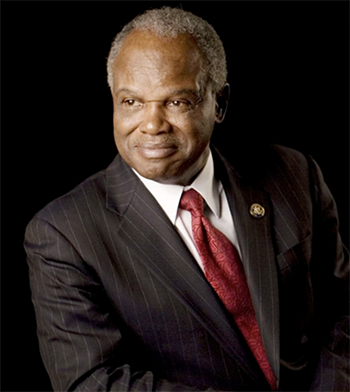
Former South Carolina Governor and ex-Rep. Mark Sanford (R)

The open campaign to replace South Carolina Rep. Nancy Mace (R-Charleston) became more interesting as candidate filing closed on Monday.

Among the late entries is former Governor and ex-1st District Congressman Mark Sanford (R) who served bookend stints in the House before and after his eight years as South Carolina’s chief executive. Toward the end of his gubernatorial tenure, Sanford’s career was marked with an international extramarital affair involving a South American woman that became a national news story. Despite the adverse publicity, he was able to finish his term as Governor and would subsequently again win the 1st District US House seat.

Sanford was first elected to Congress in an open seat 1994 campaign pledging to serve only three terms. He fulfilled his campaign pledge by not seeking re-election in 2000, but then ran for Governor, winning the statewide post both in 2002 and 2006. He was thought to be planning a presidential run in 2012, but the nationwide affair publicity ended any hope of him becoming a serious presidential candidate.

In 2013, after then-Gov. Nikki Haley (R) appointed then-Congressman Tim Scott to the US Senate to replace resigned Sen. Jim DeMint (R), Sanford entered the open special election for the 1st Congressional District and surprised many by again winning the seat. He would then be re-elected to full terms in 2014 and 2016. He would lose renomination in 2018, however. Sanford had become an ardent critic of President Trump, which in large measure cost him the seat.

Again, sounding the theme of opposing the large deficit spending that Congress approves, Sanford this week launched his third open seat campaign for the 1st District seat. The CD is open in 2026 because incumbent Rep. Mace is running for Governor.

In addition to Sanford, a dozen other Republicans also filed their campaign committees, meaning we will see a spirited campaign develop as the large field of contenders rush toward the June 9 primary. South Carolina features a run-off nomination system, as do many of the southern states, but the Palmetto State version is unique. While most feature a month-long runoff cycle or longer, South Carolina allows only a two-week campaign. Therefore, the runoff is scheduled for June 23.

Sanford clearly has more name identification than any other current 1st District candidate and again could prove victorious. Within the field we see four sitting elected officials: state Rep. Mark Smith (R-Daniel Island), Dorchester County Councilman Jay Byars, Beaufort County Councilman Logan Cunningham, and Charleston County Councilwoman Jenny Honeycutt. Another significant candidate, physician Sam McCown, self-funded and raised over $1.2 million before year-end 2025, while Rep. Smith amassed just over $600,000, also as the previous year ended.

It is likely that Rep. Smith is the strongest within the candidate group in addition to Sanford. Coupled with credible fundraising, Smith has assembled a wide array of endorsements that include former 1st District Congressmen Henry Brown and Tommy Hartnett. It wouldn’t be surprising to see he and Sanford qualify for the runoff election.

Considering that Sanford was a vocal anti-Trumper earlier in his career, it is likely that the President will look elsewhere for a candidate to support, possibly Rep. Smith, if he decides to get involved in the race. The Trump endorsement is still a prize in most Republican primaries.

South Carolina’s 1st District occupies the southern portion of the state’s Atlantic coastline, beginning just above the Georgia border and stretching halfway toward North Carolina. The CD contains Beaufort and Berkeley Counties along with parts of Charleston, Colleton and Dorchester, and a sliver of Jasper County. While housing approximately 45 percent of Charleston County, it contains none of the city of Charleston. The 1st CD includes the Low Country islands along with the Hilton Head, Bluffton, Beaufort, Moncks Corner, and Mount Pleasant communities.

Politically, SC-1 is reliably Republican. The Dave’s Redistricting App partisan lean calculation is 55.6R – 42.6D. In 2024, President Trump carried SC-1 with a 55.7 – 42.7 percent victory margin.

The 1st District has been in Republican hands since the 1980 election, with only Democrat Joe Cunningham winning the seat in a 2018 upset. He would lose re-election to Mace in 2020. Since unseating Rep. Cunningham in 2020 by 5,415 votes, Rep. Mace’s average win percentage in her two re-election campaigns has been 57.3 percent.

Colorado Rep. Diana DeGette Barely Survives Ballot Challenge

By Jim Ellis — Tuesday, March 31 2026

US House

Colorado Rep. Diana DeGette (D-Denver)

Current US House member Rep. Diana DeGette (D-Denver) of Colorado barely survived a ballot challenge at the Democratic Assembly caucuses over the weekend.

Under Colorado election procedure, a candidate may qualify for the ballot in two ways. First, receive at least 30 percent support from the party assembly delegates; second, submit 1,500 valid registered voter petition signatures. Candidates can both participate in the assembly and file petitions.

At the 1st Congressional District Assembly this past Saturday, Rep. DeGette received only 33 percent of the delegate vote opposite attorney Melat Kiros.

According to The Down Ballot political blog, 235 delegates were present and voting, meaning just 78 of the participating individuals voted for the 15-term incumbent. The result indicates that she earned ballot placement by just eight votes. Rep. DeGette did not file petitions as a safeguard against performing poorly at the assembly; therefore, she risked renomination defeat had she fallen below the 30 percent threshold.

A third 1st District Democratic congressional candidate, University of Colorado Regent Wanda James, did not participate in the assembly but filed signature petitions.

Therefore, it appears Rep. DeGette has a serious primary challenge in the June 30 Colorado plurality primary election. According to the 2025 year-end Federal Election Commission financial disclosure statement, the Congresswoman held just over $535,000 in her campaign account. Kiros raised over $230,000 and James slightly under $180,000.

Though the delegate vote was overwhelming for Kiros, the assembly result is not necessarily representative of the 1st District Democratic primary vote base. It does show, however, that Kiros is a serious candidate and has significant grassroots support among the most active regular party primary voters.

Rep. DeGette is certainly not the only veteran Democratic incumbent facing a competitive primary challenge. Three, for example, face former US House members. Opposing Reps. April McClain Delaney (D-MD), Wesley Bell (D-MO), and Julie Johnson (TX-33) are former members who previously held the respective seat.

At this point, in addition to Rep. DeGette, 16 other Democratic congressional incumbents must run a serious campaign for renomination. Fewer Republicans face primary challenges, though Texas US Rep. Dan Crenshaw (R-Humble) has already been defeated in the March 3 GOP primary.

Below is a list of the other significant Democratic challenge campaigns that are worth watching as primary season progresses. The principal challengers are also identified (source: Politics1 website):

  • CA-4: Rep. Mike Thompson vs. venture capitalist Eric Jones (California jungle primary is June 2)
  • CA-7: Rep. Doris Matsui vs. Sacramento City Councilwoman Mai Vang and two other Democrats (jungle primary)
  • CA-17: Rep. Ro Khanna vs. financial tech executive Ethan Agarwal and cybersecurity engineer Mike Katz (jungle primary)
  • CA-32: Rep. Brad Sherman vs. ex-Biden White House aide Jake Levine, son of former Congressman Mel Levine, and five other Democrats (jungle primary)
  • CT-1: Rep. John Larson vs. former Hartford Mayor Luke Bronin; state Rep. Jillian Gilchrest, and two other Democrats (Connecticut plurality primary is Aug. 11)
  • FL-20: Rep. Sheila Cherfilus-McCormick vs. Luke Campbell, entertainer and former Miami Mayor candidate, ex-Broward County Commissioner Dale Holness, ex-Sunrise City Commissioner Mark Douglas, community organizer Elijah Manley, and physician Rudy Moise. Rep. Cherfilus-McCormick is under federal indictment, and the House Ethics Committee last week found her guilty of 25 ethics violations. (Florida plurality primary is Aug. 18)
  • GA-13: Rep. David Scott vs. state Sen. Emanuel Jones, state Rep. Jasmine Clark, ex-Gwinnett County School Board Chair Everton Blair, and three others. (Georgia primary is May 19; runoff June 16 if no one receives majority support)
  • HI-1: Rep. Ed Case vs. state Sen. Jarrett Keohokalole, former state House Majority Leader Della Belatti, and two others. (Hawaii plurality primary is Aug. 8)
  • IN-7: Rep. Andre Carson vs. consultant George Hornedo, and two others (Indiana plurality primary is May 5)
  • MD-6: Rep. April McClain Delaney vs. ex-Rep. David Trone, and six other Democrats (Maryland plurality primary is June 23)
  • MI-13: Rep. Shri Thanedar vs. state Rep. Donovan McKinney and three others (Michigan plurality primary is Aug. 4)
  • MN-5: Rep. Ilhan Omar vs. MN AFSCME Vice-President & DNC Member Latonya Reeves and attorney Julie Le (Minnesota plurality primary is Aug. 11)
  • MO-1: Rep. Wesley Bell vs. former Rep. Cori Bush and four other Democrats (Missouri plurality primary is Aug. 4)
  • NY-15: Rep. Ritchie Torres vs. ex-state Assemblyman Michael Blake and three others (New York plurality primary is June 23)
  • TN-9: Rep. Steve Cohen vs. state Rep. Justin Pearson, pastor DeVante Hill, and businessman LaTroy Alexandria-Williams (Tennessee plurality primary is Aug. 6)
  • TX-33: Rep. Julie Johnson vs. ex-Rep. Colin Allred in runoff election from March 3 primary (Texas runoff election day is May 26)

Missouri Rep. Sam Graves to Retire

By Jim Ellis — Monday, March 30, 2026

House

Veteran US Rep. Sam Graves (R-Tarkio)
of Missouri

Veteran US Rep. Sam Graves (R-Tarkio), the chairman of the House Transportation and Infrastructure Committee who has represented northern Missouri since the turn of the century, will not seek re-election later this year. Rep. Graves, who had previously filed his documents to mount a campaign, changed his mind about running, now saying he believes it is his time to step aside.

Graves was initially elected to the House in 2000 and only dropped below 60 percent support one time in his 12 re-election campaigns. Prior to serving in Congress, Graves won seats in both the Missouri state House of Representatives and state Senate. He has been in elective office consecutively since the 1992 election.

The Graves retirement means there are temporarily 61 open US House seats headed to the next election. The number will recede to 59 when the special elections in GA-14 (April 7) and NJ-11 (April 16) occur to fill vacant seats. Of the 61 open positions, 27 members, including Rep. Graves, are retiring from elective politics. The remainder are running, or have run, for a different office.

Missouri’s 6th District contains the state’s northern counties beyond Kansas City to the Iowa border and all the way to the western Illinois border. Under the new Missouri congressional map drawn for the 2026 election cycle, the 6th now contains a significant part of Kansas City including the major Kansas City International Airport and the North Kansas City community.

The addition of the Kansas City metro region reduces the district’s Republican partisan lean by approximately six percentage points, but CD-6 remains as the GOP’s third strongest domain in the Show Me State. According to the Dave’s Redistricting App (DRA) partisan lean calculations, the new MO-6 records a 61.5R – 36.5D split. President Trump received 68.8 percent of the vote in the previous district as compared to Kamala Harris’ 30.0 percent.

With the Missouri candidate filing deadline expiring tomorrow, we can expect a number of candidates to come forward to file in the new open 6th District. The eventual Republican nominee coming from the Aug. 4 primary should have little trouble holding the seat in the November general election.

Whether the new map will be used for the 2026 election remains in question, however, even as candidate filing is closing. Petition signatures have been filed for an initiative to repeal the new map, but the qualification process is not complete. More than enough signatures have been submitted to meet the basic requirement for ballot line acquisition, but whether all additional legal requirements have been met remains unanswered.

Therefore, as the candidates file under the new map, the possibility remains that the repeal initiative could force a re-filing under the previous map. A court ruling on Friday upheld the new plan, but the Secretary of State has until the Aug. 4 primary to rule on signature validation.

According to Missouri initiative law, a ballot proposition requires signatures equal to five percent of the total number of votes cast for the most recent gubernatorial campaign. In this case, the 2024 gubernatorial election saw 2,960,266 ballots cast, meaning the five percent total would require 148,013 valid signatures.

The procedure, however, requires the petitions to equal five percent of the gubernatorial total vote in two-thirds of the state’s congressional districts, or likely six of the eight. Therefore, the actual number of required signatures could be lower than the calculated statewide total. The redistricting opponents have submitted more than 305,000 signatures.

The new draw centers around the state’s 5th District that veteran Congressman Emanuel Cleaver (D-Kansas City) represents. Instead of being a Kansas City metro district, the new 5th stretches from the city of Independence eastward through central Missouri and past the capital city of Jefferson City.

The new map changes the 5th District from a seat with a DRA partisan lean of 60.8D – 35.9R to one that would likely elect a Republican with a 56.6R – 41.1D spread. The remaining seven seats, 6R and 1D, will remain with the current party.