By Jim Ellis
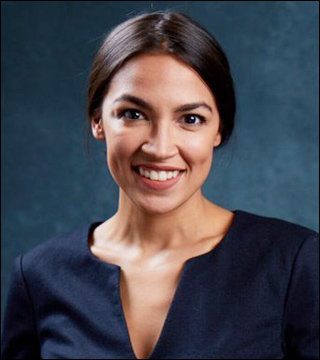
The top Democratic fundraiser in the House for Q2 was New York freshman Rep. Alexandria Ocasio-Cortez (D-Bronx), with $1.22 million raised from April 1 – June 30.
The Daily Kos Elections site surveyed the entire House universe and segmented the large group into a competitive race category. They find 158 House incumbents who will be in a competitive 2020 campaign or have the potential of being in one at this point in time.
Within this incumbent segment, the aggregate amount raised is over $61.4 million for the second quarter period ending June 30. As one would expect, the majority Democratic members had the larger haul, $39.4 million for the 94 Democrats surveyed as compared to $21.9 million for 64 Republicans. The average amount a Democratic member raised was just over $419,000 as compared to $342,000 for Republicans.
As was the case in 2018, when fundraising records were shattered for US House incumbents and candidates, this election cycle appears to be again featuring candidates who are prolific in this campaign element. For the campaign cycle-to-date aggregate figure, meaning the amount of money raised from Nov. 9, 2018, the day after the last general election, to June 30, 2019, these same incumbents have raised over $135 million, meaning an average of just under $855,000 per member.
For the 94 Democratic incumbents isolated for this report, just over $75 million was raised campaign-to-date, for an average of almost $798,000 per member. The 64 Republicans attracted an aggregate $41.4 million, with an average of $646,000 raised CTD.
In terms of current cash-on-hand, the average competitive, or potentially competitive, Democratic House incumbent posted almost $1 million CoH, or $987,000. Their Republican counterparts averaged $657,000. While Democrats have a clear money advantage, is it equally evident that the GOP candidates will also have more than enough to communicate their message. These figures obviously do not include the large amount of money that outside organizations will raise and spend independently to boost their favored candidates of both parties.

 July 19, 2019 — Two new surveys of the California Democratic electorate show the presidential race tightening in the state that possesses the largest delegation to the Democratic National Convention: 416 first-ballot delegates. To highlight the state’s size within the convention universe and its importance to the nomination process, the next largest state, Texas, has 228 first-ballot delegates.
 July 16, 2019 — We’ve seen an interesting trio of polls released over the past week that tested the New Hampshire Democratic electorate all within the same relative time span. The cumulative result produced three different leaders and found the top five candidates all within striking range of the top position.