Category Archives: Redistricting

The New Missouri Lines

Missouri Congressional Districts / Click on image to go to Dave’s Redistricting interactive map.


By Jim Ellis — Monday, Oct. 6, 2025

Redistricting

Missouri Gov. Mike Kehoe (R) signed the legislature’s new congressional redistricting map this week, so it appears that the Show Me State delegation will compete in new districts next year.

Naturally, lawsuits are being filed to nullify the new map, and it remains to be seen how the courts will rule through the continuing legal process. Depending upon the lawsuit’s subject matter, the Louisiana racial gerrymandering case before the US Supreme Court could have an effect upon future Missouri map rulings. Oral arguments for the Louisiana case are scheduled for Oct. 15, with a decision to come before the year ends.

The new Missouri map protects all six GOP incumbents, though most shed Republican voters in order to create a new western Republican 5th District. At the heart of the new plan is changing the Kansas City area to create a new Republican leaning seat instead of 11-term Rep. Emanuel Cleaver’s (D-Kansas City) urban downtown district.

To make the plan work for the GOP, the map drawers expanded the 4th District’s Jackson County share, including drawing the seat directly into Kansas City. Previously, the 4th contained part of Jackson County but none of Kansas City. The design then drives the new 5th CD into rural areas, while still keeping a large portion of Kansas City. The new draw then extends the seat east all the way past Jefferson City, meaning the 5th district’s eastern boundary is now closer to St. Louis than Kansas City.

The new partisan lean of 58.4R – 40.1D (Dave’s Redistricting App calculations) is quite different from the previous 5th’s 60.8D – 35.9R division. The difference is a net swing of 43.2 percentage points in the Republicans’ favor.

Though the new 5th District appears reliably Republican, Kansas City Mayor Quinton Lucas (D) indicated he might consider running for Congress there, believing the seat will still be competitive and assuming 80-year-old Rep. Cleaver does not seek re-election. The Mayor indicated he wants to ensure that “Kansas Citians … have a choice at the ballot box that represents Kansas City viewpoints and values.”

The 4th District alterations are also substantial. According to the Dave’s Redistricting App calculations, the new partisan lean is 59.9R – 38.7D. The previous 4th held a partisan break of 66.8R – 29.9D under the same projection formula, so we see a net change of almost 16 percentage points toward the Democratic line.

Rep. Mark Alford’s (R-Lake Winnebago) 4th is still strongly Republican, and the Congressman will be a clear favorite to win re-election, but he may have to wage a more active campaign than he would have from his original 4th CD.

The remaining six districts all keep their population cores though the partisan leans change in some cases.

The 1st District is again largely the city of St. Louis, but the partisan lean has been made just slightly more Democratic. In the 2021 map, the partisan division was projected at 77.1D – 20.4R. The new 1st carries a 77.9D – 20.3R break. Here, we are likely to see a Democratic primary re-match.

Earlier in the week, former Rep. Cori Bush, who lost renomination in 2024, said she will return to face now-Congressman Wesley Bell (D-St. Louis). Irrespective of who prevails in next year’s Aug. 4 Dem primary, the winner will claim the new 1st in the general election.

Another Republican redraw goal was to improve Rep. Ann Wagner’s (R-Ballwin) re-election prospects in her St. Louis suburban 2nd District by adding more Republican voters. According to the Dave’s Redistricting App calculations, the new partisan lean is 54.9R – 43.4D, which is a further cushion of about a point and a half for the seven-term incumbent.

The Republicans from District 3 (freshman Rep. Bob Onder) and 6 (Rep. Sam Graves) both see their respective districts become slightly more Democratic, but the two seats remain firmly in the GOP camp and neither incumbent will have trouble being re-elected.

The two southern Missouri congressional seats, District 7 (Rep. Eric Burlison) and 8 (Rep. Jason Smith), actually see their two safe Republican seats become even more so under the new plan.

Assuming the new map withstands the legal challenges, expect the Republicans to see a net gain of one seat in the Missouri delegation.

Weekly Political Wrap-Up:
Period Ending Sept. 26, 2025

Kansas US Congressional Districts / Click on map above, or go to govtrack.us to see interactive map.

By Jim Ellis — Monday, Sept. 29, 2025

Senate

Kansas — The Republicans in the Kansas legislature are determining if they will call for a special legislative session to redraw the state’s congressional map. The Republicans have a veto-proof majority in both chambers, so they would theoretically be able to override Democratic Gov. Laura Kelly’s veto regarding map passage. A two-thirds vote of both houses is also required to call a special session. The GOP has the numbers, but their margin is very tight. Therefore, the situation is uncertain.

If the Republicans’ redistricting plan is successful and the lone Kansas Democratic US House member, Rep. Sharice Davids (D-Roeland Park), is targeted and her 3rd CD made unwinnable for her party, the Congresswoman will forgo re-election and instead challenge Sen. Roger Marshall (R) next year.

Alabama — A former White House aide and ex-military advisor to Alabama Sen. Tommy Tuberville (R) has entered the state’s open Senate race. Morgan Murphy now joins Attorney General Steve Marshall and Rep. Barry Moore (R-Enterprise) in vying for the Republican nomination. The eventual winner is a virtual sure bet to replace Sen. Tuberville who is running for Governor instead of for re-election.

Additionally, recently retired Auburn University men’s basketball coach Bruce Pearl ended speculation that he would run for the Senate with an announcement of non-candidacy.

Massachusetts — Last week, Rep. Jake Auchincloss (D-Newton) said he would not challenge Sen. Ed Markey (D) for renomination, but the door has apparently opened for two other House delegation members to potentially launch such a challenge. Both Reps. Seth Moulton (D-Salem) and Ayanna Pressley (D-Boston) each said they are now considering forging a Democratic primary against the Senator. Much time remains because Massachusetts has one of the latest primaries in the nation. In 2026, the Massachusetts primary vote is scheduled for Sept. 15.

New Hampshire — A new co/efficient survey (Sept. 10-12; 904 likely New Hampshire general election voters; 346 Republican primary likely voters; live interview & text) confirms that former Sen. John E. Sununu (R) entering the open New Hampshire Senate race would make the general election very competitive. According to the co/efficient ballot test, Rep. Chris Pappas (D-Manchester) would lead Sununu, 46-43 percent, a virtual tie. In a Republican primary ballot test, Sununu tops former Massachusetts Sen. Scott Brown, 40-23 percent.

Sununu was elected to the Senate in 2002 after serving three terms in the House. He defeated then-Gov. Jeanne Shaheen (D) to win the Senate seat. Six years later, Shaheen returned for a re-match and unseated Sen. Sununu in the first Obama presidential election year. She won two further terms and is retiring once this Congress ends. Sununu has not been on the ballot since losing his 2008 re-election campaign.

Virginia — Sen. Mark Warner (D) has drawn a Republican opponent. While talk about Gov. Glenn Youngkin (R) challenging the Senator has dissipated, state Sen. Bryce Reeves (R-Fredericksburg) has now become an official candidate. The state legislator has twice run for a different office — Lieutenant Governor and the US House, but failed both times to secure the party nomination. Sen. Warner will be favored to win a fourth term next year.

House

TX-29 — Former Houston City Councilman Jarvis Johnson (D) said publicly that he is considering challenging Rep. Sylvia Garcia (D-Houston) in the new version of the 29th District. Only 37 percent of the current 29th is in the new 29th, so Rep. Garcia’s incumbency factor would be lessened in such a Democratic primary race. The Houston-anchored seat is still solidly Democratic, so the serious action will occur in the March 3 primary.

TX-32 — Dallas Mayor Eric Johnson, who in 2023 left the Democratic Party and became a Republican, confirmed he is considering entering the newly created 32nd Congressional District that covers part of Dallas before stretching into east Texas. Current incumbent Julie Johnson (D-Farmers Branch) is most likely to seek re-election in the Democratic 33rd CD as opposed to what will become a Republican 32nd District. Before winning election as Mayor, Johnson served four terms in the state House of Representatives as a Democrat. He is ineligible to seek a third term as Mayor in 2027.

Governor

California — A surprising California Emerson College Poll (Sept. 15-16; 1,000 registered California voters; multiple sampling techniques) was released during the week providing bad news to Sen. Alex Padilla (D). The Senator is reportedly considering entering the open Governor’s race.

The ballot test again finds former Rep. Katie Porter leading the jungle primary field but with only a 16 percent preference figure. Following are two Republicans totaling 18 percent of the jungle primary vote, former Fox News host Steve Hilton (10 percent) and Riverside County Sheriff Chad Bianco (8 percent). Sen. Alex Padilla (D) is next posting only 7 percent support, which is a surprisingly low number for a sitting US Senator.

Another gubernatorial entry has emerged. Former state Assembly Majority Leader Ian Calderon (D) announced that he will join the crowded Governor’s primary calling for “a new generation of leadership.” Calderon is 40 years of age. The former four-term Assemblyman’s father, Charles Calderon (D), served in the state Senate and Assembly. He was elected Majority Leader in both chambers during his legislative career.

Minnesota — While Gov. Tim Walz (D) is now officially running for a third term, a new poll suggests he is in a battle for re-election. SurveyUSA, polling for Twin Cities television station KSTP (Sept. 15-18; 568 likely Minnesota voters) finds former state Senator and 2022 gubernatorial nominee Scott Jensen (R) trailing Gov. Walz by only a 46-41 percent margin.

The poll results also found Gov. Walz with a 47:47 percent job approval rating that features only 20 percent strongly approving and 34 percent strongly disapproving. The Governor and former Vice-Presidential nominee also fares poorly in southern Minnesota, a region he represented in the US House, and with Independents. Thus, the early polling suggests the 2026 Minnesota Governor’s race will be in the competitive realm.

Oklahoma — State Superintendent of Public Instruction Ryan Walters (R), who has had a controversial tenure but is a champion of the Republican Party’s right flank, announced his resignation to accept a job running a non-profit education organization. He was considered a potential gubernatorial candidate. The move is a boon to Attorney General Gentner Drummond who appears to be the leading GOP candidate for the party nomination. Becoming the Republican standard bearer is tantamount to winning the general election. Incumbent Gov. Kevin Stitt (R) is ineligible to seek a third term.

Virginia — A series of three September polls all find former Rep. Abigail Spanberger (D) leading Republican Lt. Gov. Winsome Earle-Sears by spreads beyond the polling margin of error. Pulse Decision Science (Sept. 3-5; 512 likely Virginia voters) posts Spanberger to a 48-43 percent edge. Christopher Newport University (Sept. 8-14; 808 registered Virginia voters) sees the Spanberger lead larger at 52-40 percent. Finally, in the most recently released survey, co/efficient (Set. 22-23; 1,024 likely Virginia voters) finds a result closer to the Pulse Decision study, 49-43 percent, also in Spanberger’s favor.

From the three data organizations that track and average poll results, Real Clear Politics, Decision Desk HQ, and Race to the White House, all see Spanberger leading in an average range falling between 7.3 percentage points (Real Clear Politics) and 9.4 (Race to the White House). The Virginia election is Nov. 4, so political prime time is now fully underway.

Wisconsin — Badger State Rep. Tom Tiffany (R-Minocqua) announced late this week that he will risk the congressional seat he won in a 2020 special election to enter his state’s open Governor’s race next year.

The move had been expected, and Rep. Tiffany’s chances of winning the Republican primary so far against Washington County Executive Josh Schoemann and manufacturing company CEO Bill Berrien are good. Tiffany’s strong conservative record gives him the inside track in attracting backing from right of center political organizations which have proven important in Republican primaries.

Democrats who have announced their own gubernatorial campaigns are Lt. Gov. Sara Rodriguez, state Sen. Kelda Roys (D-Madison), state Rep. Francesca Hong (D-Madison), and Milwaukee County Executive David Crowley. Gov. Tony Evers (D) is not standing for a third term. We can expect to see a toss-up open seat gubernatorial election here next year.

City & State

Boston — After suffering a better than 3:1 negative showing in the September jungle primary, businessman Josh Kraft (D), son of New England Patriots owner Robert Kraft, has withdrawn from the Nov. 4 Mayoral general election. This means that Mayor Michelle Wu (D) has won a second term in that she is now unopposed in the regular election.

Walkinshaw Wins in Virginia;
A Redistricting Check-Up

By Jim Ellis — Wednesday, Sept. 10, 2025

VA-11

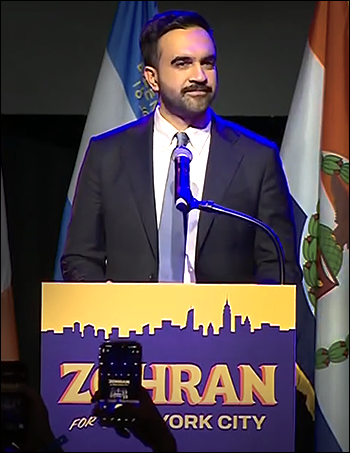
Fairfax County Supervisor James Walkinshaw (D)

Last night, Fairfax County Supervisor James Walkinshaw (D) easily defeated Republican former FBI agent Stewart Whitson, 75-25 percent, in the safely Democratic seat to win the special congressional election. Walkinshaw will replace the late Rep. Gerry Connolly (D), who passed away in May. The Congressman-Elect will serve the balance of the current term and be favored to win again in the 2026 regular election.

Upon being sworn into the House, the partisan division will move to 219R-213D, with three vacancies. The next special election will be held on Sept. 23 in Arizona’s 7th CD where former Pima County Supervisor Adelita Grijalva (D) is favored to win the seat of her late father, Raul Grijalva (D-Tucson), who passed away in March.

Redistricting

It is getting to the point of not being able to keep track of the various congressional redistricting efforts ‘without a scorecard.’ Below, are the latest developments in states where redistricting is actively occurring or being discussed:

• Alabama: It is possible that the Alabama map could be redrawn depending upon the US Supreme Court’s ruling on the Louisiana case, since the two states have virtually identical pending litigation. If the high court upholds the lower court ruling for Louisiana, then it is possible Alabama could follow suit and redraw its map. A second Louisiana round of oral arguments is scheduled for Oct. 15. A redraw would likely add one seat to the Republican column.

• California: A referendum to replace the California Citizens Redistricting Commission map is on the statewide special election ballot for Nov. 4. If voters approve, a new congressional map will be in place for the 2026 election that is projected to give Democrats five more seats and take the state’s partisan division to 48D-4R.

• Colorado: An activist group will attempt to file a constitutional amendment initiative for the 2026 ballot to redraw Colorado’s congressional map. Under the state’s election laws, constitutional amendments must pass with a minimum 55 percent voter approval. The amendment would give the political leaders the power to replace the Colorado Independent Congressional Redistricting Commission map.

The proposed plan projects to a two seat gain for Democrats. If the activists are successful with the ballot approach, the earliest election a new map could take effect would be 2028.

Florida: It appears likely that the Florida legislature will consider a new congressional map when the new session begins in January. An interim legislative committee was constructed to draw the plan. Projections suggest Republicans would gain two seats in the delegation if a new map is enacted. Doing so would push the partisan division to 22R-6D.

Illinois: While Gov. J.B. Pritzker (D) was talking about a redraw of the Illinois map, doing so would not be practical. The Illinois map is already the most gerrymandered in the country with a partisan division of 14D-3R, and it is likely not conceivable for Democrats to do better. Chances are good that a redraw will not happen, especially with a fast approaching 2026 candidate filing deadline of Nov. 3.

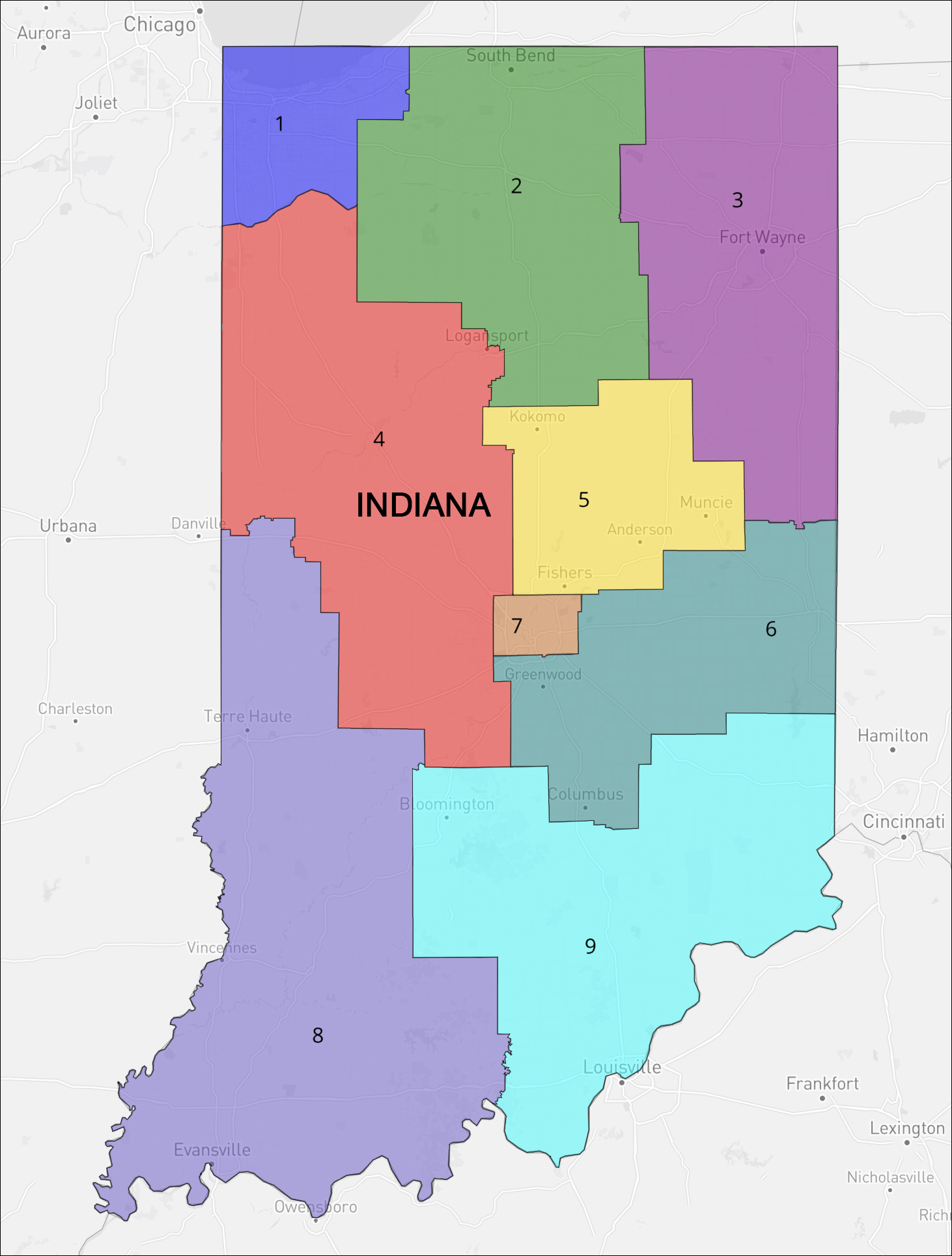
Indiana: The White House continues to push for a Hoosier State redraw, but it is unclear whether the legislature will address the issue in their new session. The most extreme map would eliminate the state’s two Democratic seats and result in a 9R-0D plan. This situation has not yet solidified.

Kansas: Redistricting discussions are underway in Kansas, and there is talk that the legislature could move toward a special session. Since it is clear that Gov. Laura Kelly (D) will not call the legislature back, two-thirds of members from both houses must support the move for a special session.

Should a session be called and a 4R-0D map introduced, Republicans would realistically need two-thirds support for the legislation in both houses because Gov. Kelly is sure to veto what the legislature produces. Seeing a new Kansas plan being enacted is a long shot.

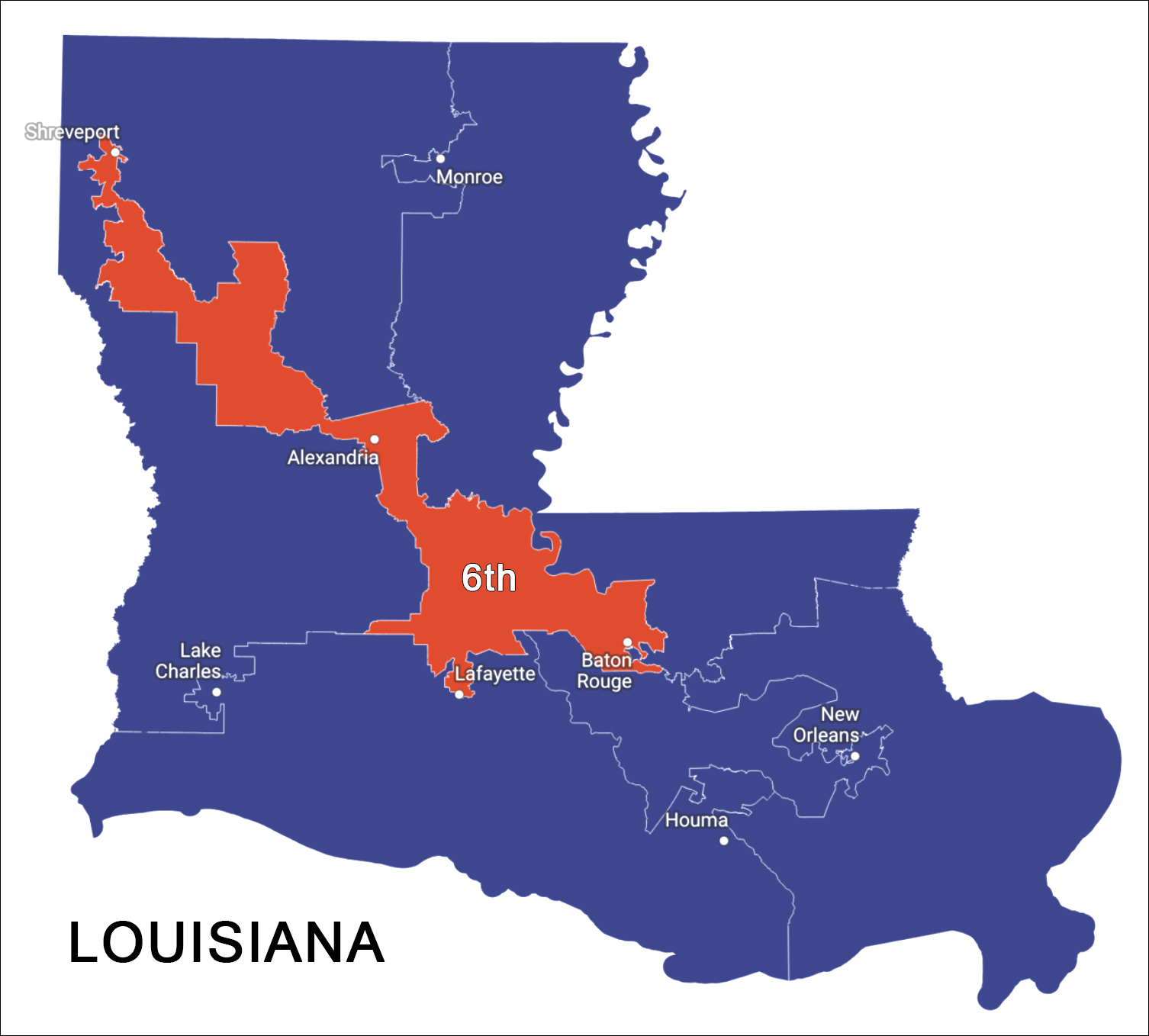
Louisiana: As discussed in the Alabama section above, the Louisiana racial gerrymandering case currently before the US Supreme Court has the potential of being a landmark case. We won’t see a ruling until later in the year, but this case could set the tone for the entire mid-decade redistricting cycle. In addition to Alabama, the decision could affect the new Texas map.

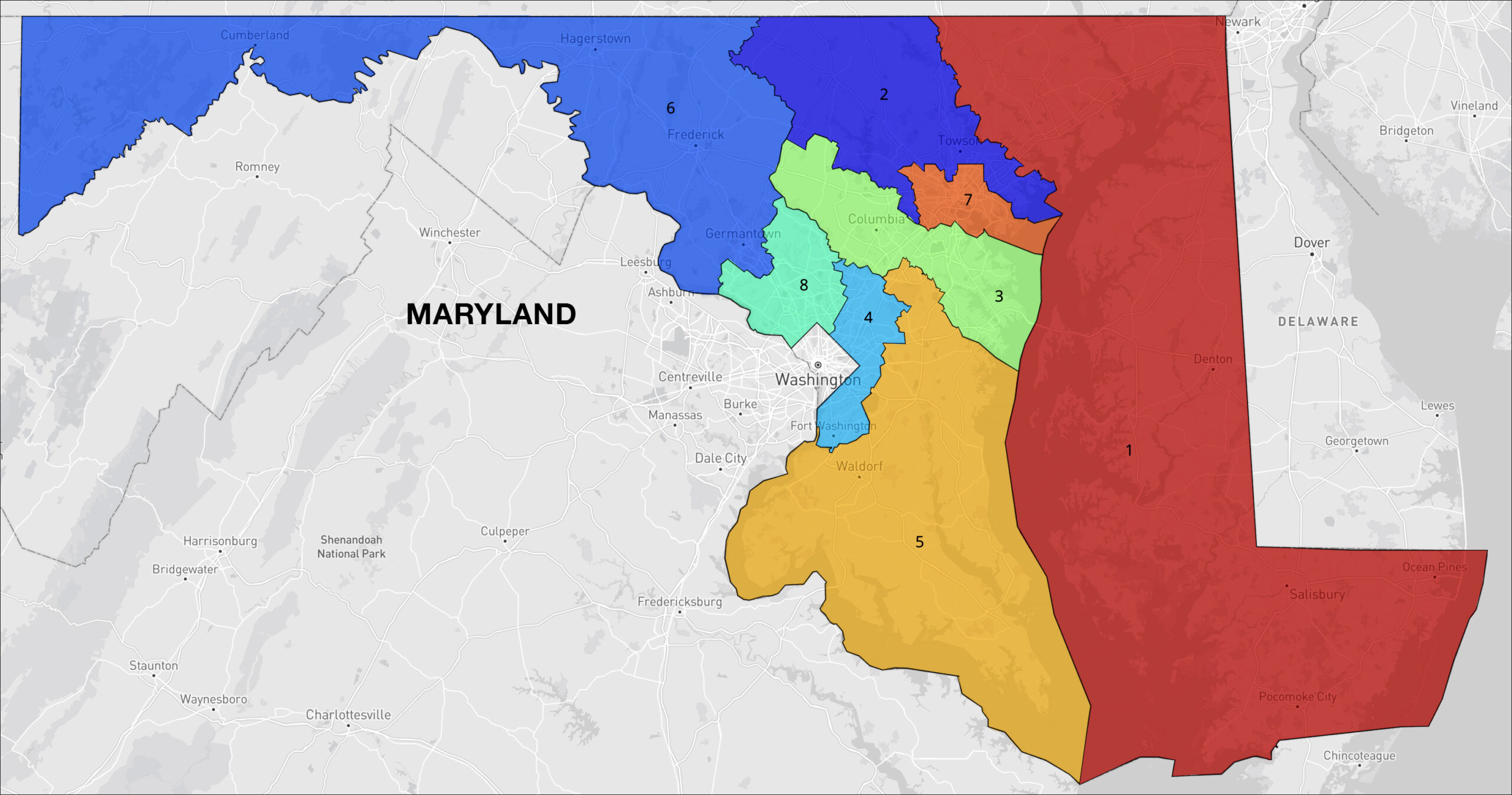
Maryland: Democratic legislators have introduced a bill that would allow the legislature to address changing their congressional map if other states successfully alter their boundaries. Any new map would target the state’s lone Republican House member, Rep. Andy Harris (R-Cambridge) and result in an 8D-0R delegation.

Missouri: The state House of Representatives just passed a map that changes Rep. Emanuel Cleaver’s (D) Kansas City-anchored 5th District into a Republican seat by stretching it into the rural areas. The state Senate is expected to follow suit, and Gov. Mike Kehoe (R) will reportedly sign the new map into law. Therefore, chances of Republicans gaining one seat in Missouri are high.

Ohio: Legislators are soon going to draw a new congressional map and must do so under state law. Because the 2021 congressional plan did not receive three-fifths vote in each legislative house, the map could only stand for two elections, those in 2022 and 2024. Therefore, the legislators must draw a new plan for 2026 and beyond.

Republicans hope to gain two seats in the re-map, those of Reps. Marcy Kaptur (D-Toledo) and Emilia Sykes (D-Akron). It remains to be seen exactly how the map will be configured, but creating a new congressional plan is a certainty.

Texas: The new Texas plan has been enacted, and the expected voting rights legal challenge has been filed in an El Paso federal court. Assuming the map stands, Republicans could gain as many as five seats but only if the Trump numbers among South Texas Hispanics translate to a Republican congressional candidate. Obviously, Texas will become one of the key states that determines the next US House majority.

Utah: A Utah court has struck down the current congressional map, saying the legislature did not have the authority to bypass voter approved redistricting guidelines. Therefore, the legislature is moving forward to draw a new plan. The decision could lead to a new Democratic urban seat in Salt Lake City. Thus, the current 4R-0D delegation could allow Democrats to gain one seat.

Wisconsin: Earlier in the year, the state Supreme Court rebuffed a move to redraw the congressional map. Activists have re-started the legal process, but reaching the state Supreme Court for reconsideration will be a lengthy process and likely won’t happen to affect the 2026 election.

Utah Joins Redistricting Wars

By Jim Ellis — Friday, Aug. 29, 2025

Redistricting

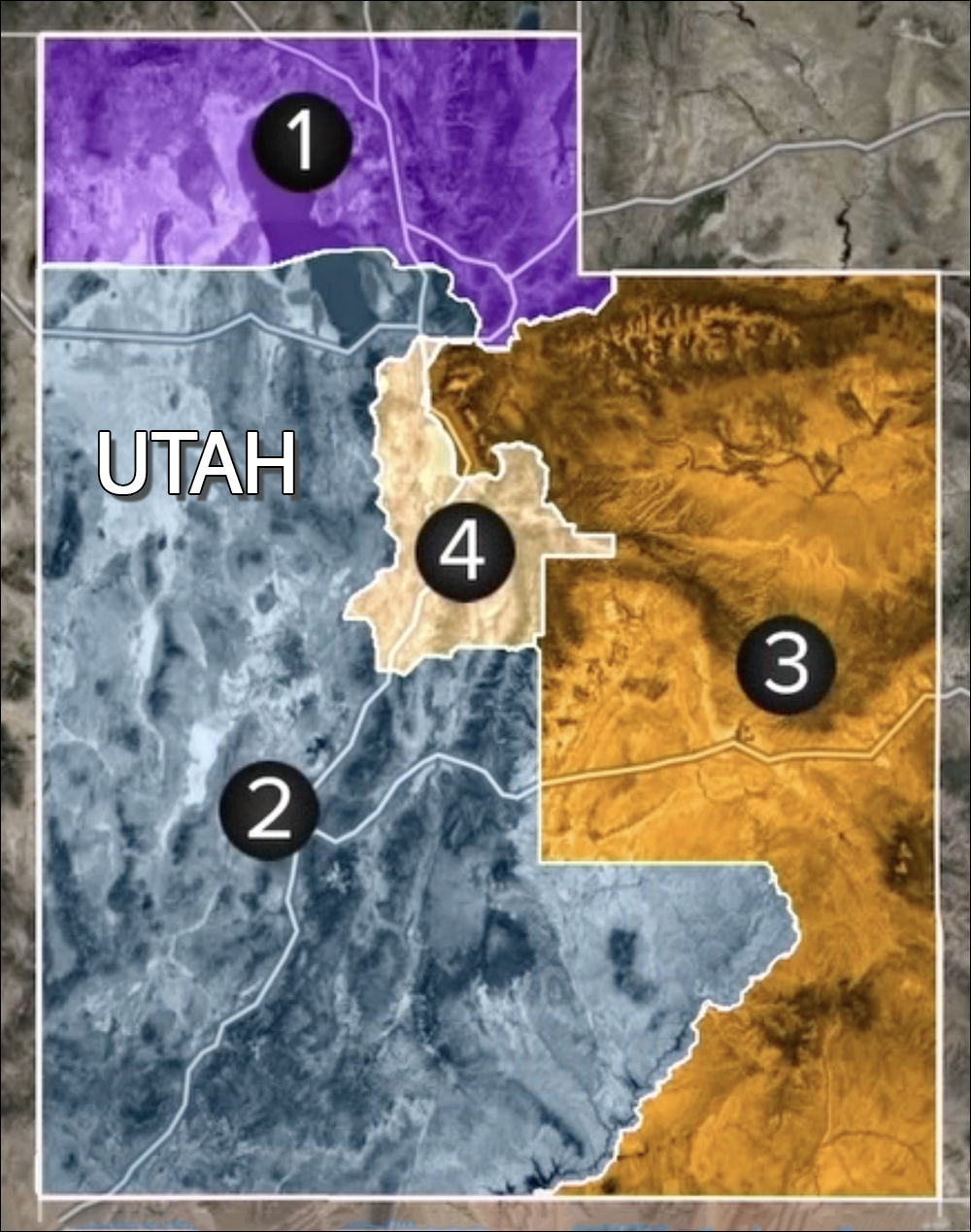
Utah Congressional Districts (click on image to go to interactive map)

A new court decision has thrust another state to the forefront of the mid-decade redistricting battle that may be developing in as many as 11 states.

A Utah judge early this week issued a ruling that strikes down the state’s 4R-0D congressional map, saying the legislature did not have the right to usurp the citizens’ redistricting commission that voters approved via ballot proposition in 2018. The commission members crafted a congressional map in 2021 that the state legislature rejected and replaced with the current plan.

The ruling is curious in that the judge stated the Utah Constitution makes a vote of the people equal to that of a legislative action. Therefore, District Court Judge Dianna Gibson ruled that the legislature did not have the authority to change the Commission map but did not explain why the people’s vote then trumps legislative power if both are equal. Republicans will appeal to the State Supreme Court, though the high court previously allowed the original lawsuit to continue that resulted in Judge Gibson’s ruling.

The Commission map would likely cost the Republicans one seat since it created a Salt Lake City-anchored district that would presumably elect a Democrat. Like many redistricting battles, this one, too, has the potential of making its way to the US Supreme Court for a final decision.

Currently before the federal high court remains the Louisiana racial redistricting case. A ruling was expected before the end of June, but the justices instead postponed their decision and ordered additional oral arguments, now scheduled for Oct. 15. The court’s ultimate ruling could mean a Louisiana redraw before the 2026 election. If so, Alabama could also see a redraw since their redistricting situation is virtually identical to that of Louisiana.

The just-enacted Texas map already faces a racial gerrymandering lawsuit, this in an El Paso federal court. The Louisiana ruling could affect the new Texas map since the lawsuit grounds involve an alleged violation of the Voting Rights Act.

When the Ohio legislature returns to session in September after the summer break, a new congressional map will be drawn. Since the current plan, adopted in 2021, failed to pass the legislature with at least a three-fifths vote in each chamber, the map could only stand for two elections. Therefore, state law demands a new plan be crafted for the 2026 election and beyond.

Published reports indicate that redistricting is also being considered in Florida, Indiana, Maryland, Missouri, and New York. The referendum in California to usurp the citizens’ commission map and replace it with a published alternative will go to the voters in a Nov. 4 special election.

The Florida House Speaker has assembled a new redistricting committee, and Gov. Ron DeSantis indicates he favors attempting to draw a new map. Some believe the already strong Republican Florida map could yield two more seats.

Talks are underway in Indiana about undertaking redistricting. The GOP target here would be the state’s 1st District that Rep. Frank Mrvan (D-Highland/Gary) represents. In the past two elections, the Congressman recorded a pair of 53 percent victories.

Talk surfaced in Maryland, largely stemming from Gov. Wes Moore (D), that this state could attempt to eliminate the lone Republican district, but nothing concrete toward that end has yet happened.

Republicans are also making progress toward gaining the Kansas City-area district of Rep. Emanuel Cleaver (D); moving forward in this situation appears likely.

Finally, New York Gov. Kathy Hochul (D) also made public statements about redistricting retribution. Here too, however, a citizens’ commission is involved in the process. In 2021, even a Democratic court rejected the Democratic legislature’s map after the members found a way to usurp the commission plan. In the legislature’s map, the Republicans would have been relegated to four of 26 seats, which the court rejected.

While the Democrats could gain further seats in New York, the process of changing the current map may be too complicated to do so before the 2026 election.

As one can see, redistricting is a complex issue, and predicting what may happen next in any state’s process is always a difficult proposition.

Decision Time in Texas

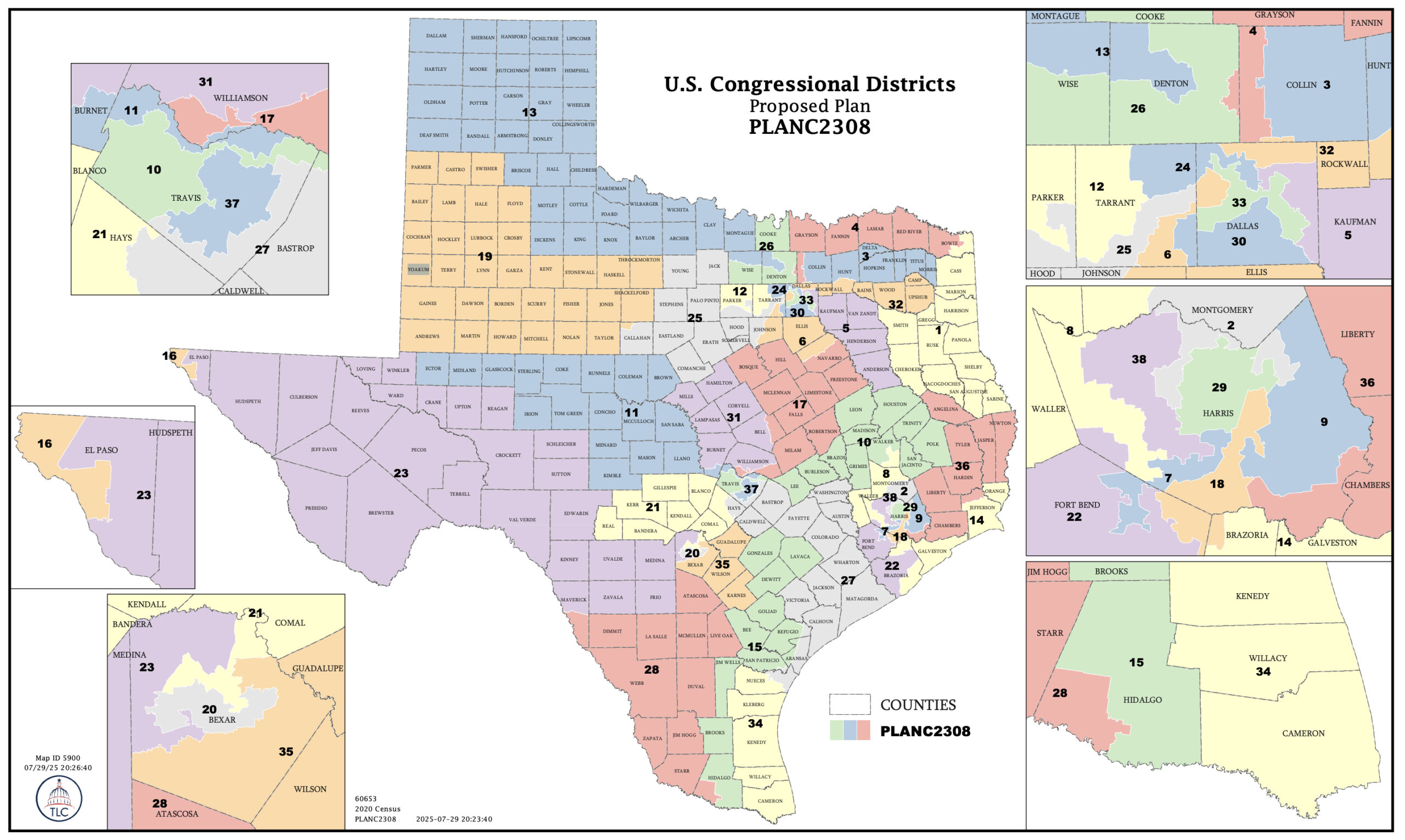
(Click on map above to see full-size detail.)

By Jim Ellis — Wednesday, Aug. 27, 2025

Redistricting

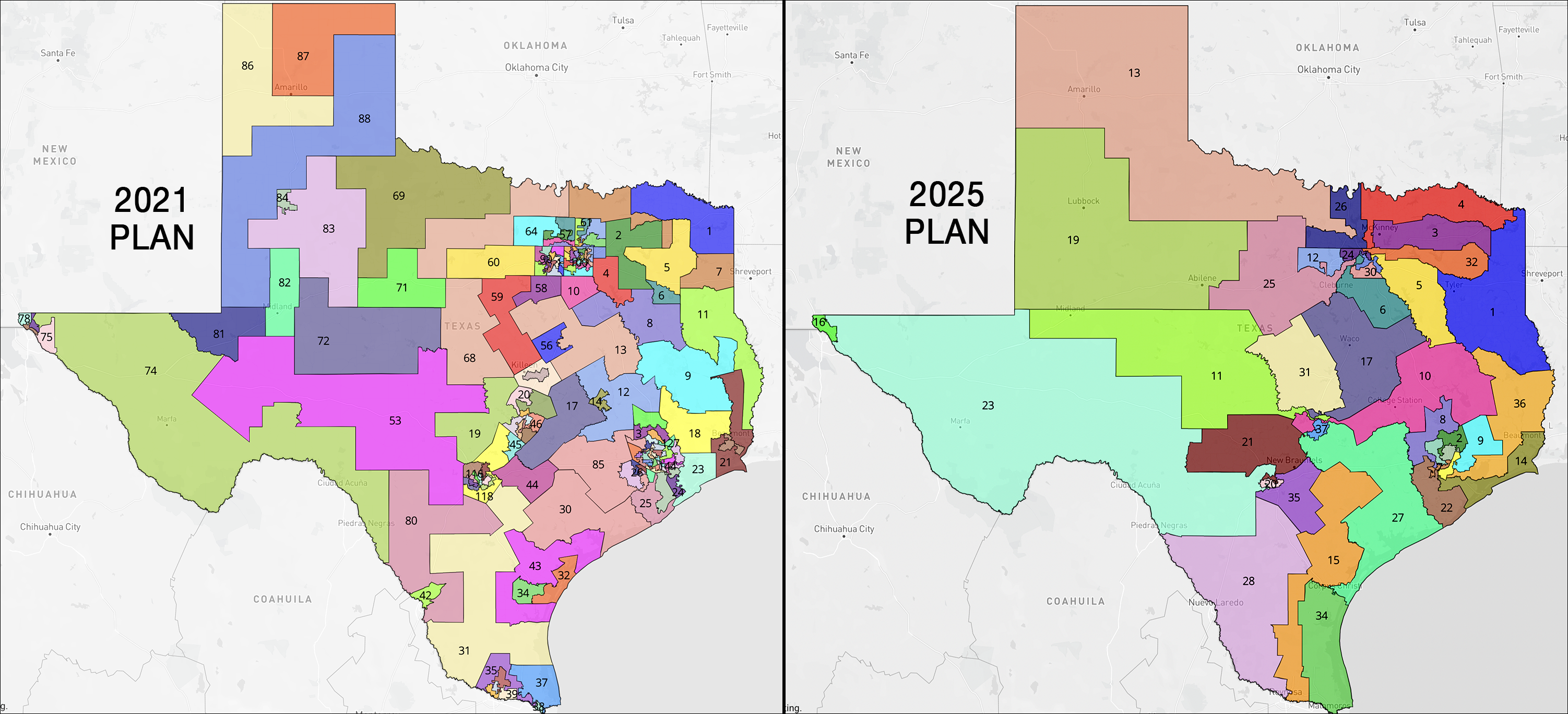
Now that the new Texas redistricting map has been signed into law displaced Democratic incumbents and potential candidates are deciding where they will run.

In the Dallas area, a game of political musical chairs must be played. All three Texas Democrats who currently represent part of Dallas County no longer live in the district for which they will likely run.

It is probable that Rep. Jasmine Crockett (D-Dallas), whose home is now in Rep. Marc Veasey’s (D-Ft. Worth) 33rd District, will still run in District 30, where almost 69 percent of her current constituency resides. By the same token, Rep. Veasey’s best opportunity is in District 33, but he loses all of his Ft. Worth and Tarrant County base. Only 33 percent of his current constituency lies in the new District 33.

The Dallas Democrat with the least favorable choices is freshman Rep. Julie Johnson (D-Farmers Branch/Dallas). While 41 percent of her current constituency will reside in new District 32, that district now stretches into East Texas and becomes a Republican seat.

Almost one-third of her constituents move to District 33, but Rep. Johnson says she is looking at potentially challenging Republican Rep. Beth Van Duyne (R-Irving) in new District 24. Rep. Johnson sees only three percent of her current constituents landing in TX-24 but says a large portion of her former state House district is included. President Trump carried new CD-24 with a 57-41 percent margin, so Rep. Van Duyne, who finds 87 percent of her current district comprising the new 24th, remains in the driver’s seat for re-election.

Moving to Houston, veteran Rep. Al Green (D-Houston) says he is surveying the new 18th District as a place to run. He would be paired with the winner of the current special election to replace the late Rep. Sylvester Turner (D), but the latter individual will only have two months to organize a primary campaign against Green after winning the special election.

Rep. Green’s 9th CD transforms into an eastern Harris County Republican seat, while none of his district will move to CD-18. Much of the current Green constituency, almost 44 percent, goes to Rep. Sylvia Garcia’s (D-Houston) 29th District, of which Garcia would represent only 37 percent of the new CD. Still, Green would be well known in the 18th, and not having to face another entrenched incumbent should be a favorable setup for the 77-year-old House member who was first elected in 2004.

Looking at Austin, Rep. Lloyd Doggett (D-Austin) says he will not seek re-election rather than squaring off with fellow Democratic Rep. Greg Casar (D-Austin) in the new 37th CD. Mr. Doggett says he would seek re-election if the court restores the previous map.

In South Texas, Rep. Henry Cuellar (D-Laredo) sees a much different district, but one that he should like. Gone is the San Antonio portion of the current TX-28 seat where Cuellar experienced trouble in two close Democratic primary challenges. He is still under federal indictment with several charges for bribery, obviously a significant hurdle to overcome, while rumors still abound that he may switch parties. If he doesn’t, his likely opponent will be Webb County Judge (Executive) Tino Tijerina, who also hails from Cuellar’s home domain.

A major development affecting the South Texas seats occurred the other day when former Rep. Mayra Flores (R) indicated that she will move back to TX-34 to again challenge Rep. Vicente Gonzalez (D-McAllen) in a re-match of the 2024 campaign that saw Gonzalez prevailing 51-49 percent. Earlier in the year, Flores said she would challenge Rep. Cuellar in District 28.

In a new 34th that now contains almost 40 percent new territory for Gonzalez and all coming from Rep. Michael Cloud’s (R-Victoria) Republican 27th District, the partisan lean of the newly configured TX-34 will favor a strong GOP candidate.

A lawsuit challenging the new map as a racial gerrymander will quickly be filed in an attempt to void the new districts. This will likely put further pressure upon the Supreme Court to finally rule on the Louisiana racial gerrymandering case, which has now been scheduled for a second oral argument session on Oct. 15.

If the high court upholds the previous federal three judge panel ruling, then the Texas map will also likely stand and we would see re-draws forced in Louisiana and likely Alabama, which is in an identical situation to that of the Bayou State. In a related ruling, the 5th Circuit Court of Appeals upheld the Galveston County case that affected the Texas minority districts and was the reason Gov. Greg Abbott (R-TX) added redistricting to the legislative special session.

With the Lone Star State candidate filing deadline set for Dec. 9 in conjunction with the March 3, 2026, primary election, much will happen in the political and legal arenas during the next few weeks.

New Texas Map Passes;
Rep. Chip Roy Running for AG

(Click on map above to see full-size detail.)

By Jim Ellis — Friday, Aug. 22, 2025

Texas

REDISTRICTING — The Texas state House of Representatives, with the Democrats returning to create a quorum, passed the new redistricting map on a party line vote. The bill then moved to the state Senate where passage became pro forma since the body passed the plan in the previous legislative special session. Gov. Greg Abbott (R) is expected to sign the new map into law as early as today.

While Republicans believe they can gain five seats in the Texas delegation, the number is largely predicated on winning Hispanic voters in numbers that President Trump similarly attained. Whether the new Trump Hispanic voter returns in a midterm election to vote the Republican line becomes a point of conjecture.

The new Texas map creates three open seats, two of which, one in Houston and the other in the San Antonio area, have large Hispanic populations. To reach their goal of converting five districts, the Republican candidates will have to carry the three open seats:

  • District 9 (Houston)
  • District 32 (Dallas area)
  • District 35 (San Antonio area)

Also, Republicans must defeat Reps. Henry Cuellar (D-Laredo) and Vicente Gonzalez (D-McAllen) in South Texas Districts 28 and 34, respectively.

Former Congresswoman Mayra Flores (R), who lost to Rep. Gonzalez 51-49 percent in November while President Trump was carrying the 34th District in the present configuration (51.8 – 47.4 percent), announced earlier in the year that she would move to District 28 to oppose Rep. Cuellar. Since District 34, now moving northward toward Corpus Christi and losing the McAllen portion of the current CD, becomes more Republican it is unclear if she will go through with the plan to run in CD-28 or return for a second re-match with Rep. Gonzalez in new CD-34.

The new map pairs several Democratic members: Reps. Lloyd Doggett (D-Austin) and Greg Casar (D-Austin), although Rep. Doggett is saying he will retire if this map stands; likely, Reps. Julie Johnson (D-Farmers Branch/Dallas) and Marc Veasey (D-Ft. Worth) in a Dallas County 33rd District that would contain neither of their home bases; and Rep. Al Green (D-Houston) with the winner of the TX-18 special election to be held later this year.

Rep. Chip Roy (R-Austin) — Rep. Roy, who had been publicly contemplating entering the open Texas Attorney General’s race, yesterday announced his candidacy for that position, thus opening his Central Texas 21st Congressional District for the 2026 election cycle.

Counting the Roy open seat along with the Texas trio of new open CDs, the national US House open seat count would rise to 29 (15R-11D-3 New).

Once the four special elections are filled beginning on Sept. 9 in Virginia with the VA-11 district and concluding with TX-18, which could stretch into January (under Texas election law, the Governor calls a special runoff once it becomes certain that the top finisher will not reach the majority support level in the initial election), the national open-seat count will revert to 25.

In the GOP Attorney General’s primary, Congressman Roy will face state Sen. Mayes Middleton (R-Galveston), state Sen. Joan Huffman (R-Houston), former Assistant US Attorney General Aaron Reitz, and possibly others. For the Democrats, state Sen. Nathan Johnson (D-Dallas) and former Galveston Mayor and ex-AG candidate Joe Jaworski are the announced contenders.

The new 21st District will be similar but not identical to the seat that Rep. Roy is vacating. The new TX-21 will contain northern Bexar County (San Antonio), move north to capture Comal and part of Hays County which borders Austin, and then travels west into the Texas Hill Country to include the flood-ravaged area around Kerrville when the Guadalupe River overflowed on the 4th of July.

The current CD-21 partisan lean is 61.0R – 36.7D. The new 21st would lose about 30 percent of the territory to other districts but gain a commensurate amount. The new partisan lean, again through the work of the Dave’s Redistricting App statisticians, would calculate as a similar 60.3R – 38.4D. Therefore, it is highly likely that Rep. Roy’s successor will be the winner of the next Republican nomination campaign.

California Redistricting:
The Five Targeted Seats

The proposed congressional map by California Democrats, (left) and the current map (right). Click on map to see larger image. Graphic: Dave’s Redistricting App / Joshua Metcalf)

By Jim Ellis — Tuesday, Aug. 19, 2025

Redistricting

The California proposed retribution redistricting map that key staff members at the Democratic Congressional Campaign Committee (DCCC) drew is now public, and the process to adopt such a plan is beginning this week.

In order for the California Governor and legislators to replace their current congressional map before the 2030 census is completed, the leadership must find a way to usurp the California Citizens Redistricting Commission that the voters instituted through a 2010 ballot measure. The only way to cancel the Commission map, Gov. Gavin Newsom and the majority Democrats believe, is to have another vote of the people to directly adopt a specific new map.

While the Newsom et al interpretation will likely be subject to a lawsuit with the objective of halting the process, the legislature this week will vote on a measure to place a new congressional map on a special election ballot this November. To approve a ballot referendum, each legislative chamber must do so with a two-thirds super majority. Considering the Democrats hold well over two-thirds of the seats in both the state Assembly and state Senate, placing the referendum on the ballot will likely be achieved.

Whether a majority of special election voters will adopt the map is open to question. For years, voters have listened to arguments about enacting “fair” district maps. In fact, this argument was the crux of the 2010 initiative campaign to create the citizens’ commission and 61.3 percent of the voters did so. Yet, in this special election, the message coming from Democratic leaders will now be to ‘vote yes for gerrymandering.’

Therefore, getting a majority vote on such a measure may be a more difficult political task than Gov. Newsom and his cohorts currently believe.

Thanks to the statisticians at The Down Ballot political blog, we see the data behind the proposed district configurations. The very rapidly completed calculations tell us how the 2024 and 2020 presidential elections unfolded in every new district. The statisticians also calculated how much of each current district is included in a new 2026 district.

To put the new map in context, we must remember that the current delegation is comprised of 43 Democrats and just nine Republicans. The new map is projected to possibly take the Republicans down to as few as four seats.

As we know, the DCCC California map is drawn as a retaliatory move against the new Texas redistricting plan that could be adopted this week. Projections suggest that the new map could yield as many as five additional GOP seats.

It remains an important point to underscore that Texas Gov. Greg Abbott (R) added redistricting issue to his special session in response to a US Justice Department directive to redraw the map. The DOJ cited a recent en banc US 5th Circuit Court of Appeals minority districts ruling that now cause some of the state’s congressional districts to become illegal.

The California Republican US House members facing the most difficult re-election situations, should the proposed map become law, are Reps. Doug LaMalfa (R-Oroville; District 1), Kevin Kiley (R-Rocklin/Sacramento; District 3), and Ken Calvert (R-Corona; District 41).

Another GOP member, Rep. Darrell Issa (R-San Diego; District 48), would find himself in a much more competitive re-election campaign, while Rep. David Valadao (R-Hanford; District 22), would see his already Democratic-leaning seat further help a Democratic candidate. President Trump, however, still carried the new District 22.

Rep. LaMalfa’s new 1st District, according to The Down Ballot statisticians, would contain just 43.8 percent of his current constituency and transform from a 61 percent Trump district to a 54 percent Kamala Harris CD.

Rep. Kiley would retain 46.8 percent of his current 3rd CD, and sees the presidential index move from 50 percent Trump to 55 percent Harris. Based upon his residence, he would technically be paired with Rep. Ami Bera (D-Sacramento; District 6), but he would likely seek re-election in CA-3.

Rep. Calvert would find himself in the worst position of all the Republicans. A total of 50.5 percent of his current 41st District constituency would be placed in new District 38, which is 56 percent Harris and could mean a pairing with Rep. Linda Sanchez (D-Whittier; District 38), though it is likely she would run in new District 41. Most of Rep. Sanchez’s constituents are in either District 38 or District 31 that fellow Democrat Gil Cisneros (D-Covina) holds, but District 41 could be open, carries a Kamala Harris percentage of 57, and runs adjacent to her current district.

Rep. Young Kim (R-La Habra) would find most of her constituency in new District 41, but a third of her voters are in new District 40, which is a 56 percent Trump seat and does not have an incumbent. We could see Kim and Calvert both running for this seat.

The Issa 48th CD would keep only 32.3 percent of its current population base, while the presidential index moves from 56 percent Trump to 52 percent Harris.

Finally for the Republicans, the Valadao 22nd District keeps 84.3 percent of its current constituency and moves from 52 percent Trump to 50 percent Trump. Therefore, the region is not as partisan as some other district iterations that Congressman Valadao has previously faced.

The other Democrats most affected would be Reps. Robert Garcia (D-Long Beach; District 42) who would retain only 35.2 percent of his constituency base; Dave Min (D-Irvine; District 47) would lose a majority of his current seat (52.7 percent), but his new territory is much more Democratic; while Scott Peters (D-San Diego; District 50) would keep only 43.5 percent of his current constituency.

While these Democratic members would be in strong shape against a Republican, a series of strong Democratic candidates could pose individual threats to each.