No Labels Party website image
By Jim Ellis — Wednesday, Aug. 9, 2023
President
No Labels: Making Inroads — The No Labels Party, which is attempting to bring ideological moderates from the two major parties and the self-identified independent voter under one entity, has qualified for the ballot in two more states.
Nevada and South Dakota will now feature a No Labels Party ballot line, joining Alaska, Arizona, Colorado, and Oregon. While the number of qualified states is small in relation to the whole country, three of these six states are key swing entities that could well affect the outcome of next year’s presidential campaign.
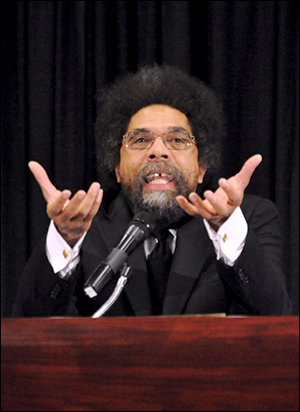
Let’s look at one particular poll that exemplifies how a minor candidate can influence a hotly contested election. A new Emerson College poll of the Michigan electorate (Aug. 1-2), for example, finds President Joe Biden leading former President Donald Trump by less than a percentage point. When Green Party candidate Cornel West’s name is added to the questionnaire, Trump takes a two point lead over Biden because West draws four percent support.
The Michigan example will be similar in the states where the presidential election is extremely close. In this case, Dr. West’s presence draws enough left-of-center Michigan voters away from President Biden that would allow former President Trump to take the lead. We would likely see a reversed outcome if the minor party candidate were prone to attract suburban Republican votes.
The No Labels Party is different than others we have seen over the years in that they are well financed and have a national organization. Therefore, the ability to qualify for the ballot in a maximum number of states is greater than any other minor party — including the Green Party — of which Dr. West will be the likely nominee.
Looking at the composition of the No Labels Republican leadership — should they file a presidential candidate (the leaders have not yet committed to doing so) it will be someone more likely to take votes away from Trump rather than Biden. Therefore, when the party leaders and activists from around the country meet in Dallas on April 14-15, it is probable they will choose a disaffected Republican for the presidential slot and a disaffected Democrat as the running mate … if they even decide to file a national candidate slate.
The organization’s co-chairmen, former US senator and 2000 Democratic vice presidential nominee Joe Lieberman and ex-Maryland Gov. Larry Hogan (R), have said on multiple occasions that they want a ticket comprised of a member from each major party, but again without firmly committing to fielding a presidential ticket.
Turning to the No Labels qualified states, Arizona and Nevada are two of the five entities where flipping from Biden in 2020 to the Republican nominee in 2024 could change the national outcome.
A surprising state that could be in play next year is Alaska. The Last Frontier state changed its election system in the last election and added a Ranked Choice Voting system should no candidate secure majority support.
The addition of a No Labels candidate could make the above scenario real. In the 2020 Alaska special congressional election, Republican candidates cumulatively drew 60 percent of the vote; yet, when RCV went into effect because no one reached 50 percent, a Democratic candidate won the election. Therefore, Alaska should be added to the watch list of swing states that could move toward the Democrats.
Pennsylvania and North Carolina are two of the larger states in the swing category. Pennsylvania went Democratic in 2020, while North Carolina backed the Republican nominee. Both states require a defined number of valid registered voter petition signatures for a candidate under a different party banner to earn a ballot position.
Wisconsin, another state that swung the Democrats’ way but which could certainly rebound in 2024, employs the same requirements for minor party candidates as they do for Republicans and Democrats. Therefore, No Labels would have a strong chance of qualifying in this important swing domain as well.
Should key minor party candidates qualify in each of these aforementioned states – how each break will be critical in determining the 2024 presidential winner – the number of votes they attract, and from which candidate they draw, will be a major factor in how the election turns not only in these particular states but in the nation as a whole.